

 Home
HomeGMTI
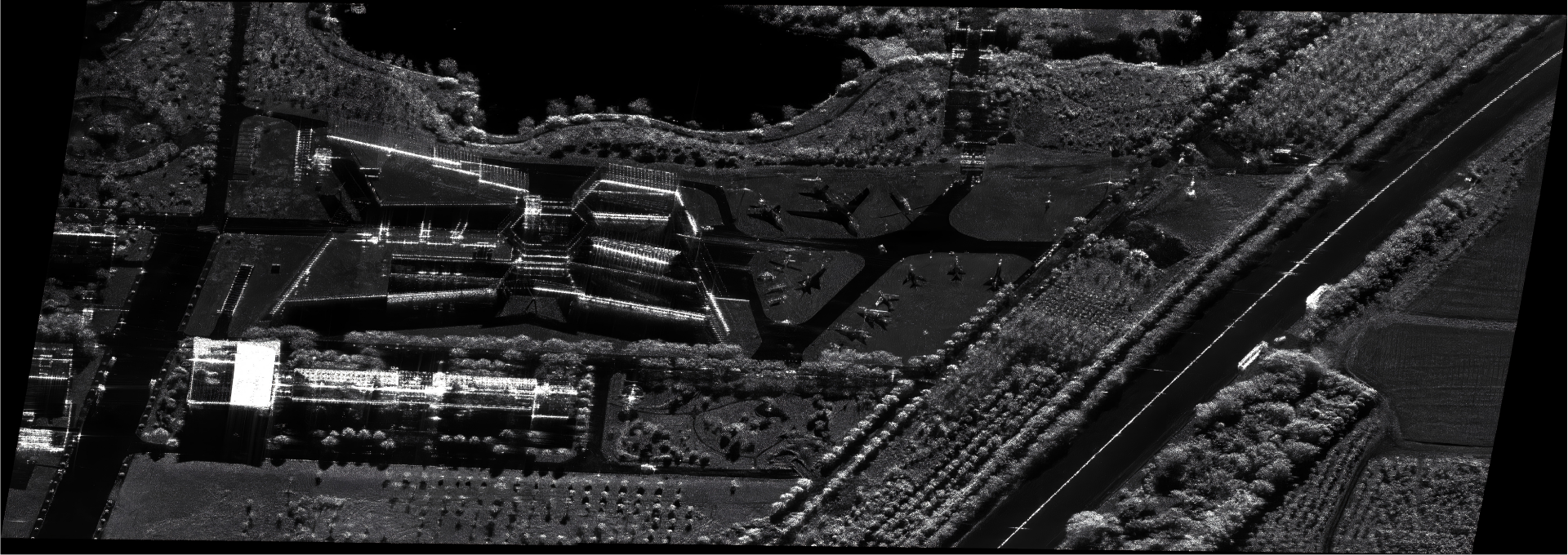
The dynamic target detection of synthetic aperture radar (SAR) can be simply understood as recognizing all moving objects such as vehicles and ships in the image while taking high-definition ground photos. This technology combines the advantages of SAR's all-weather and all day operation, and is a key capability that connects "high-resolution imaging" with "dynamic real-time monitoring".
1、 Why is it important?
SAR itself is designed for capturing stationary ground. Moving targets may experience offset and blur during imaging. The core value of moving object detection is the ability to accurately detect, locate, and continuously track these moving targets.
2、 How to achieve it? Several mainstream methods
1. Energy/Phase (Multi channel/SAR-GMTI):The most classic method is to use multiple antennas to suppress stationary ground clutter and highlight the energy signal of moving targets, which is suitable for military intelligence and battlefield surveillance.
2. Shadow/Trajectory (Video SAR): detects the "black shadow" of moving targets in continuous images. The method is intuitive, especially adept at detecting slow targets, and widely used in three-dimensional traffic supervision and traffic flow monitoring.
3. Artificial Intelligence (AI):Train AI models with a large number of images to automatically learn target features for recognition with high accuracy, mainly used for unmanned reconnaissance and intelligent interpretation of remote sensing images.
4. Interference technology (ATI/DPCA):Extracting motion information by comparing the phase differences of multiple antenna echoes is extremely sensitive to small movements and is commonly used in high-precision parameter measurements
3、 How to achieve it? Several mainstream methods
SAR moving target detection relies on the all-weather and cloud penetrating characteristics of radar, and its main applications are:
1. Military:Reconnaissance of ground vehicles, sea vessels, and long-range border surveillance;
2. Marine supervision:Search for unidentified illegal fishing boats and smuggling speedboats, and monitor the waterway;
3. Land Enforcement:Investigate illegal mining and illegal transportation of waste soil at night;
4. Traffic monitoring:Large scale statistics of highway traffic flow and inspection of hidden dangers along railway lines;
5. Emergency rescue:Identify rescue vehicles and locate personnel activity areas under heavy smoke from floods and fires;
6. Security inspection:Drones/airborne radar patrol pipelines, factory areas, and key facilities to move suspicious targets.