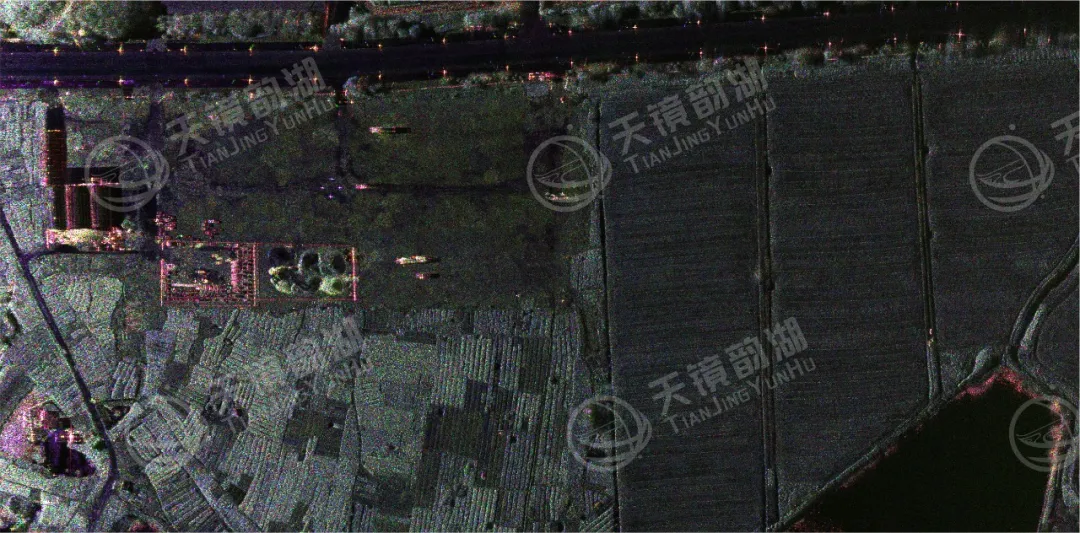

Synthetic Aperture Radar (SAR) technology is increasingly widely used in the military, and its high-resolution imaging characteristics offer broad application prospects in reconnaissance, intelligence gathering, and target tracking. However, due to SAR's strong penetration and imaging capabilities, attackers employ camouflage techniques, such as terrain manipulation and the use of special materials, to conceal target information and interfere with SAR detection and identification. Therefore, improving SAR's anti-spoofing capabilities is of great significance for enhancing military reconnaissance and combat effectiveness.

The development of reconnaissance and counter-reconnaissance technologies, as well as camouflage and counter-camouflage techniques, has brought new challenges to battlefield camouflage technology. The struggle between camouflage and reconnaissance revolves around the difference between the target and the background, and this difference is the fundamental reason for target exposure. Camouflage, as an effective means of interfering with enemy detection and protecting combat equipment and personnel, has always been a research hotspot in the military field.
Camouflage effectiveness assessment essentially evaluates the effectiveness of camouflage techniques (such as camouflage patterns, decoy camouflage, and obstruction camouflage) applied to targets using detection and identification methods. It analyzes whether the exposed characteristics of the camouflaged target are reduced or eliminated, and whether the target blends well with the background. Therefore, evaluating the camouflage effectiveness of active-duty main battle equipment is beneficial for improving and enhancing our capabilities in modern warfare. Objective, scientific, and effective assessments are conducive to guiding and improving camouflage technology, thereby enhancing the target's battlefield survivability.

Military vehicle camouflage technology

Military tank camouflage technology
The following are the general steps for evaluating camouflage effectiveness:
1. Data Acquisition: Obtain the characteristics of different camouflaged targets through extensive experimental data, and then statistically analyze and interpret this data.
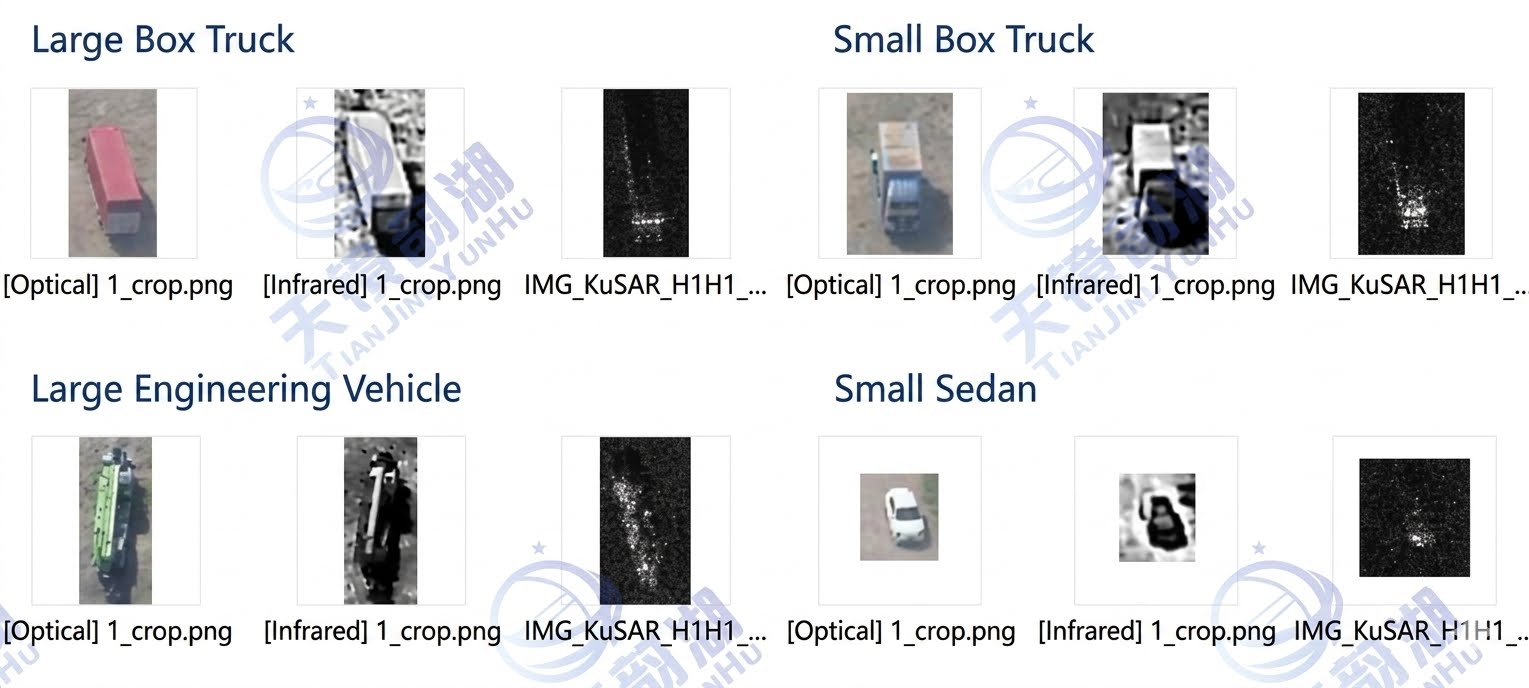
2. Characteristic Analysis: Based on the collected data, analyze the characteristics of different camouflaged targets, examining their interference with SAR and their impact on specific optical parameters.
3. Camouflage Effectiveness Evaluation: Utilize an evaluation index system to assess the effectiveness of the camouflaged targets and evaluate their difficulty in SAR detection and identification.
4. Anti-counterfeiting Technology Research: Based on the collected experimental data and evaluation results, research anti-counterfeiting technologies and design new camouflage target measures to improve SAR's anti-counterfeiting capabilities.
5. Multi-Source Data Fusion: Use various different detectors for data acquisition; for example, add optical and infrared cameras to a synthetic aperture radar (SAR) system for image acquisition. Fuse and process this data to obtain more analytical results.

The advantages of SAR in camouflage assessment are mainly reflected in the following aspects:
**I. All-weather, All-time Operation Capability**
SAR technology is not limited by lighting conditions and can conduct observations normally both day and night. This all-weather, all-time operation capability gives SAR a unique advantage in camouflage assessment, providing continuous and stable radar images of camouflaged targets.
**II. High-Resolution Imaging Capability**
SAR technology can distinguish small targets and subtle terrain changes. This high-resolution imaging capability allows SAR to clearly show the minute differences between camouflaged targets and their surrounding environment, thus helping to more accurately assess the camouflage effect.
**III. Multi-polarization Imaging Capability**
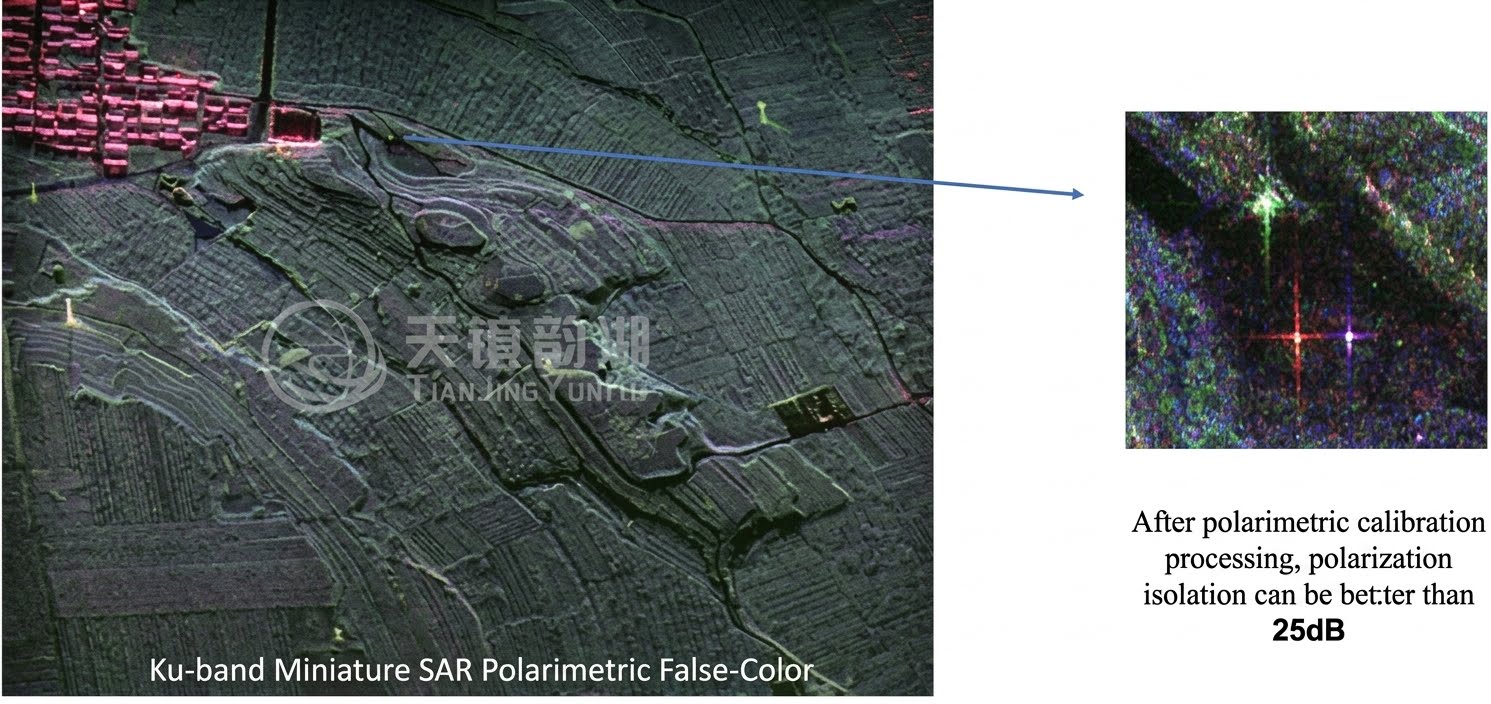
SAR technology has multi-polarization imaging capability; different polarization modes can acquire different physical characteristic information of the target. This multi-polarization imaging capability helps to more accurately identify target types, thereby further improving the accuracy of camouflage assessment.
**IV. Wide-Area Observation Capability**
SAR technology can observe large areas in a single flight, greatly improving work efficiency. For camouflage assessment tasks requiring wide coverage, SAR technology can quickly acquire radar images of camouflaged targets and their surrounding environment.
V. Penetration Capability
SAR technology possesses a certain penetrating capability through some vegetation and soil, allowing it to acquire information below the surface. In camouflage assessment, this penetration capability helps to discover camouflaged or concealed targets hidden underground, thereby further improving the accuracy and comprehensiveness of the assessment.
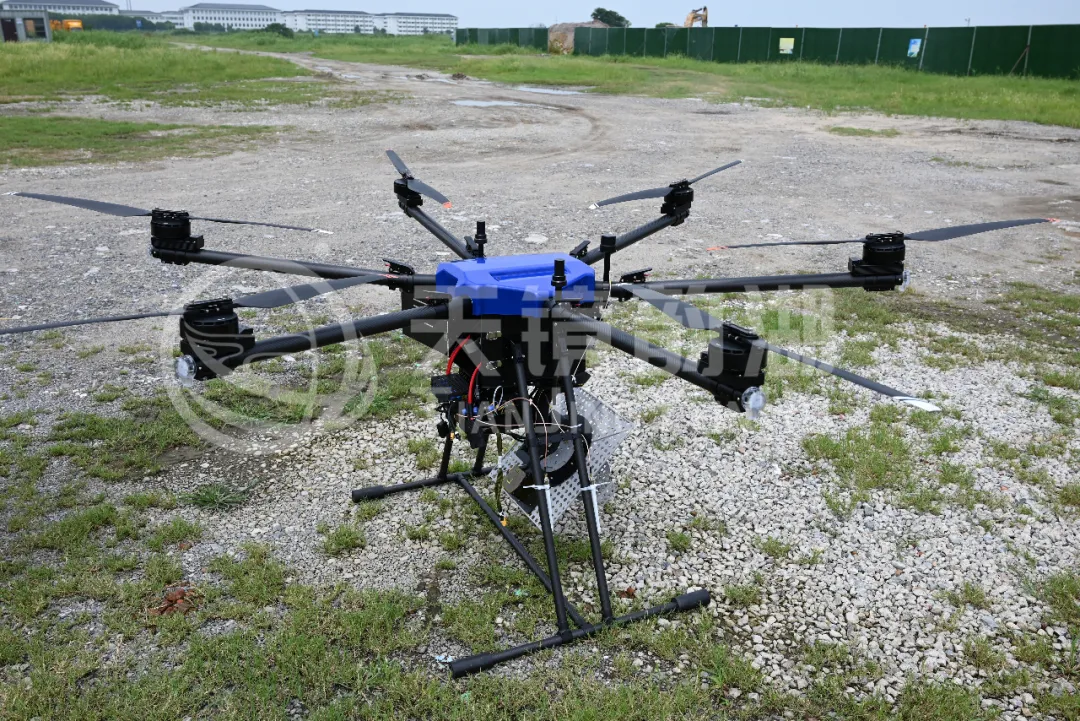
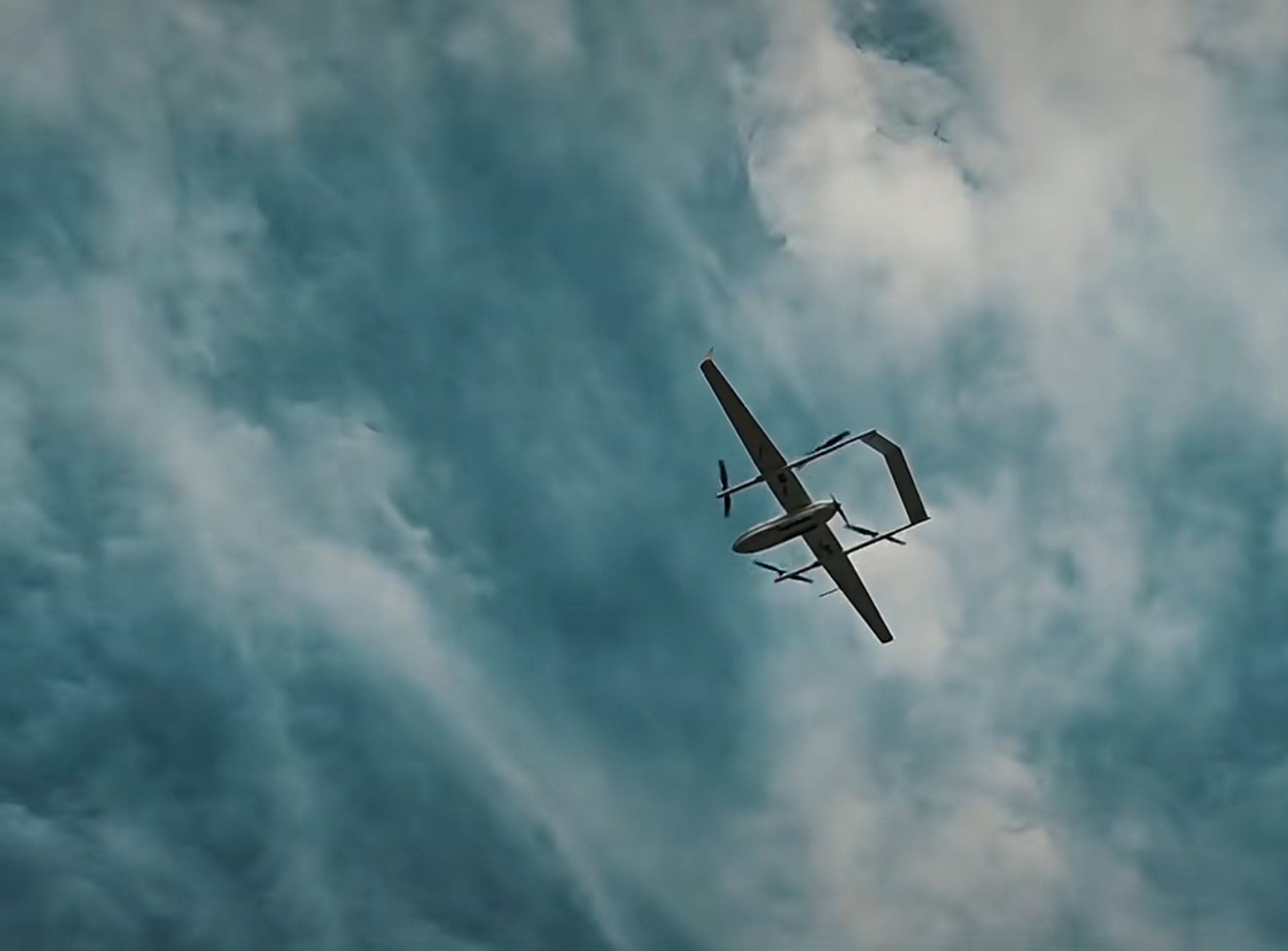
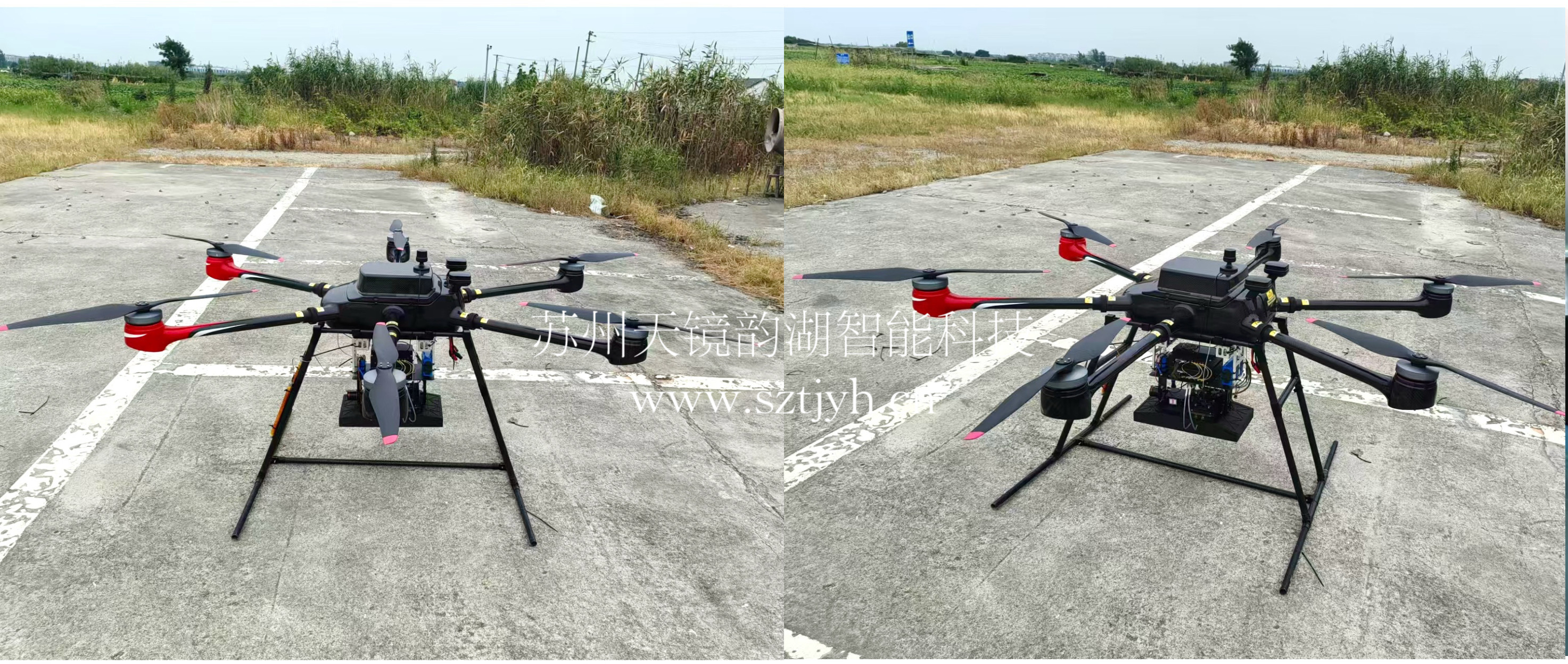
Suzhou Tianjing Yunhu Intelligent Technology Co., Ltd. (www.sztjyh.cn) has accumulated rich project experience in camouflage assessment in recent years. In previous camouflage projects, it has not only used miniature SAR systems to identify and verify targets, but has also developed and integrated a set of professional intelligent interpretation software for camouflage and stealth effects, providing reliable data support for subsequent camouflage assessments.

LingYun System MiniSAR
SAR technology offers numerous advantages in camouflage assessment, including all-weather, all-time, high-resolution imaging, multi-polarization imaging, wide-area observation, and strong penetration capabilities. These advantages make SAR technology a promising field with significant practical value in camouflage assessment.