
I. Core Definition of Antenna
As a crucial energy conversion device, the core function of an antenna is to achieve bidirectional conversion between high-frequency current and electromagnetic waves. During the signal transmission phase, it converts the high-frequency current output by the transmitter into electromagnetic waves that can propagate in free space and radiate them outward. During the signal reception phase, it captures useful electromagnetic waves in free space, restores them to high-frequency current, and transmits them to the receiving device, thus completing the radiation and reception process of radio waves.
II. The Importance of Antennas in Synthetic Aperture Radar (SAR)
In a Synthetic Aperture Radar (SAR) system, the antenna occupies a fundamental and decisive core position. Its performance directly affects the overall system's operational effectiveness and core performance indicators. On one hand, the antenna is the sole interface for signal interaction between the SAR system and external space. It must efficiently radiate the transmitter's signal energy to ensure accurate electromagnetic wave coverage of the detection area, and sensitively capture echo signals to provide high-quality raw information for subsequent data processing. On the other hand, the antenna's parameter performance directly determines the key technical indicators of the SAR system, including sensitivity, azimuth resolution, signal-to-noise ratio (SNR), and mapping bandwidth. Insufficient sensitivity will prevent the effective capture of weak echo signals; limited resolution will affect the accuracy of target identification; a low SNR will increase the difficulty of signal analysis; and insufficient mapping bandwidth will restrict detection efficiency. Therefore, designing an antenna system that meets performance requirements is one of the core tasks in developing high-performance synthetic aperture radar. III. Main Antenna Classifications in Synthetic Aperture Radar
In recent years, with the rapid development of airborne and spaceborne SAR technologies, various countries have developed a variety of mature SAR systems. Among these, the most widely used antenna types mainly include the following four categories, each with its own characteristics and suited to different application scenarios:
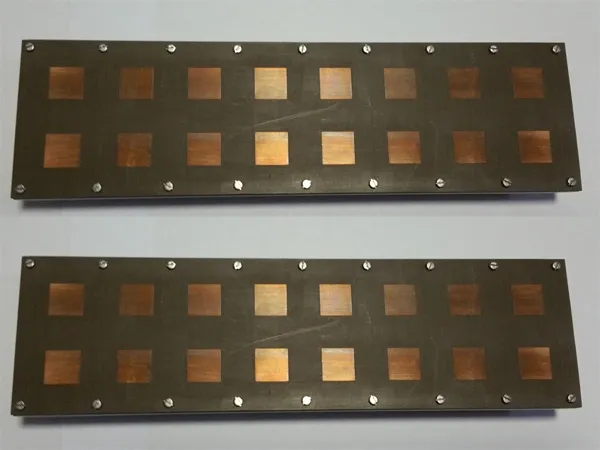
(I) Microstrip Antennas
Definition: Microstrip antennas are one of the most widely used antenna types in current SAR systems. Their core advantages lie in their structure and cost: they feature low profile, small size, and light weight, effectively saving installation space; they have low manufacturing costs, simple processing technology, and are easy to integrate with other planar devices, making them particularly suitable for scenarios with high requirements for lightweight and miniaturized equipment. However, this type of antenna has significant performance limitations: narrow operating bandwidth, unable to adapt to multi-band detection needs; low power capacity, making it difficult to meet the high-power signal transmission requirements in high-frequency applications, thus limiting its use in high-frequency scenarios.
Applicable Bands: The applicable bands for microstrip antennas are mainly low-frequency to mid-frequency bands, typically covering the L-band, S-band, and part of the C-band. Due to its narrow bandwidth and low power capacity, its performance degrades significantly in higher frequency bands such as the X-band and above, failing to meet the detection requirements of SAR systems. Therefore, it is rarely used in high-frequency scenarios.
(II) Horn Antenna
Definition: Horn antennas are commonly used in SAR systems, renowned for their stable performance and superior bandwidth. They offer high energy conversion efficiency, low signal transmission loss, a wide operating bandwidth, adaptability to various frequency requirements, and a compact structure, providing high installation flexibility in some scenarios. However, their inherent structure has significant drawbacks: the antenna is relatively thick. Airborne SAR systems have strict limitations on antenna size and weight, and a larger thickness increases installation difficulty and may even affect the overall aerodynamic performance of the carrier, thus limiting their application in airborne applications.
Applicable Bands: Horn antennas offer wide bandwidth performance advantages, covering a broader range of frequency bands, including L-band, S-band, C-band, and X-band. Especially in the mid-to-high frequency bands from C-band to X-band, their high efficiency and wide bandwidth advantages are fully utilized, making them an important choice for SAR systems in this band.

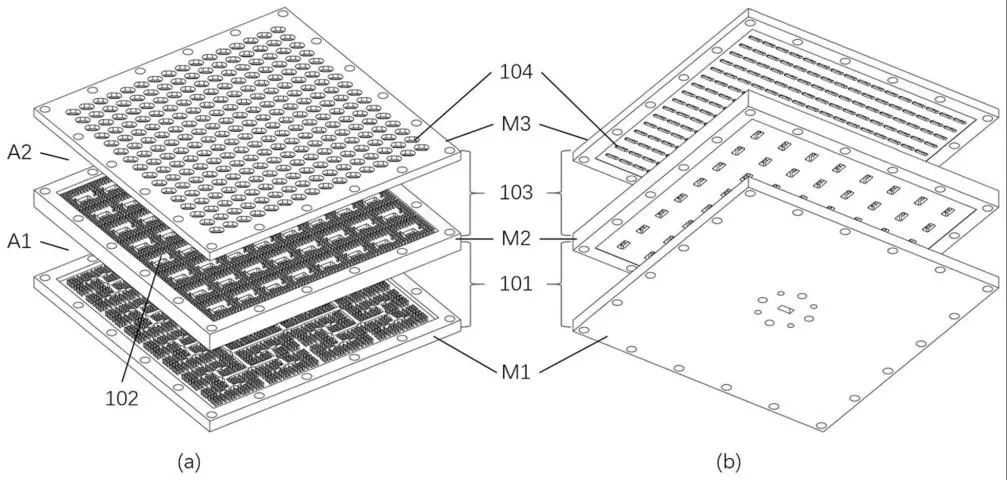
(3) Waveguide slot antenna
Definition: The core advantages focus on signal quality and power carrying capacity: it can achieve lower side lobe levels, effectively suppress clutter interference, and improve signal purity; it also has high power capacity, which can meet the needs of high-power signal transmission, and is suitable for scenarios that require high signal stability and anti-interference capabilities. However, there are obvious shortcomings in the structure and processing of this type of antenna: it is large in size and heavy in weight, which places high requirements on the load-bearing capacity of the installation carrier; the processing technology is complex, which not only increases the manufacturing cost, but also reduces the feasibility of mass production, limiting its wide application.
Applicable bands: Mainly concentrated in mid-to-high frequency bands, including C-band, X-band and Ku-band. Its characteristics of high power capacity and low sidelobe level can effectively adapt to the detection needs of SAR systems in this frequency band, and it is widely used in mid- and high-frequency band scenarios that require high-power signal transmission and anti-interference capabilities.
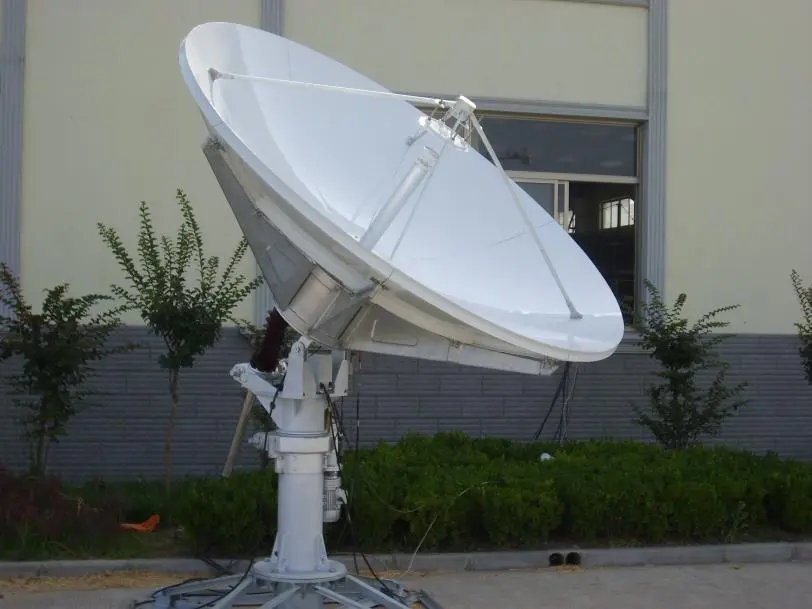
(IV) Reflector Antenna
Definition: Reflector antennas have highly specific application scenarios, primarily suited for small satellite-based SAR systems. Through their unique reflector structure design, they achieve efficient signal transmission and reception in spaceborne environments, precisely matching the operating characteristics and installation space limitations of small satellites.
Applicable Bands: Primarily low to mid-frequency bands, mainly covering the L-band and S-band. In low-frequency detection missions of small satellite-based SAR systems, their reflector structure enables efficient signal focusing and transmission, meeting the needs of large-scale mapping and long-distance detection in spaceborne environments. However, in high-frequency scenarios, the conflict between structural size and signal loss gradually intensifies, thus limiting their widespread application.
(V) Array Antennas
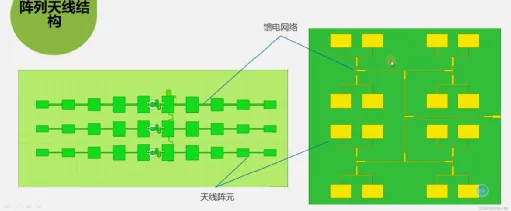
Array antennas are a highly promising form of SAR system antenna. They consist of multiple identical or similar elements arranged according to a specific pattern. Flexible beam control is achieved by adjusting the amplitude and phase of each element, overcoming the performance limitations of traditional antennas. Their advantages are significant: rapid and wide beam scanning, resulting in outstanding mapping efficiency and detection flexibility; low sidelobe levels, suppression of clutter interference, and improved signal-to-noise ratio and target identification capabilities; wide bandwidth potential, and some can be lightweight and miniaturized through sparse design.
In terms of applications, in spaceborne systems, they can enhance the high resolution and wide mapping bandwidth capabilities of Earth observation; in airborne systems, they adapt to installation and payload requirements, and can also provide technical support for special systems such as multi-polarization and interferometric SAR. Their applications are gaining increasing attention.
IV. Summary and Development
As the core of a SAR system, the performance of the antenna directly determines the system's fundamental indicators. Array antennas are a key direction for breaking through the bottlenecks of traditional antennas. Strengthening research on array antennas and front-end antennas is of great significance for improving the overall performance of SAR systems, with broad exploration value and development prospects.
In the future, as the application of SAR technology expands in aerospace, remote sensing, and mapping, the performance requirements for antennas, such as wide bandwidth, high power capacity, and miniaturization, will continue to increase. Array antennas are expected to become a core development focus, requiring further optimization of design, breakthroughs in manufacturing processes, and improvements in beam control algorithms to expand applications. Simultaneously, increasing investment in antenna system research and filling gaps in front-end hardware research will provide solid support for the continuous progress of SAR technology and promote its widespread and in-depth application in more key areas.
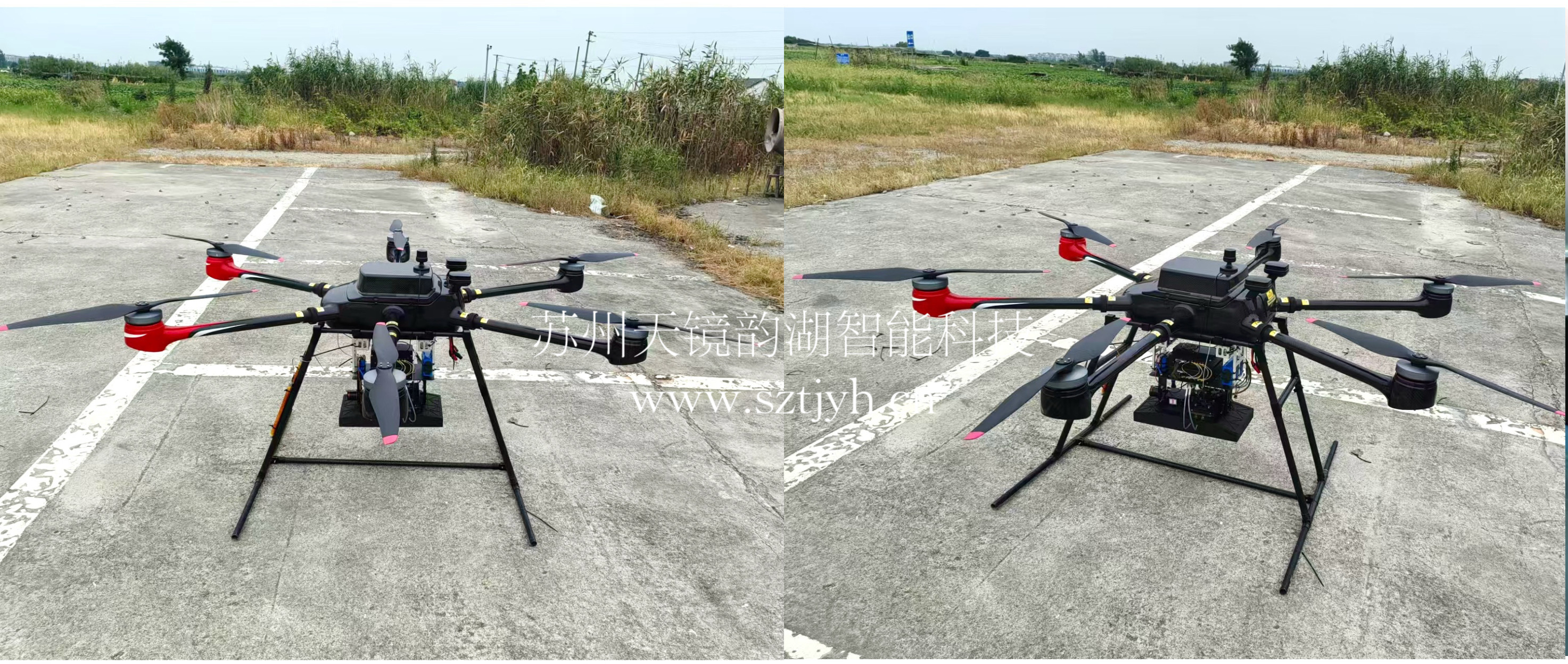
V. Airborne Miniature SAR System
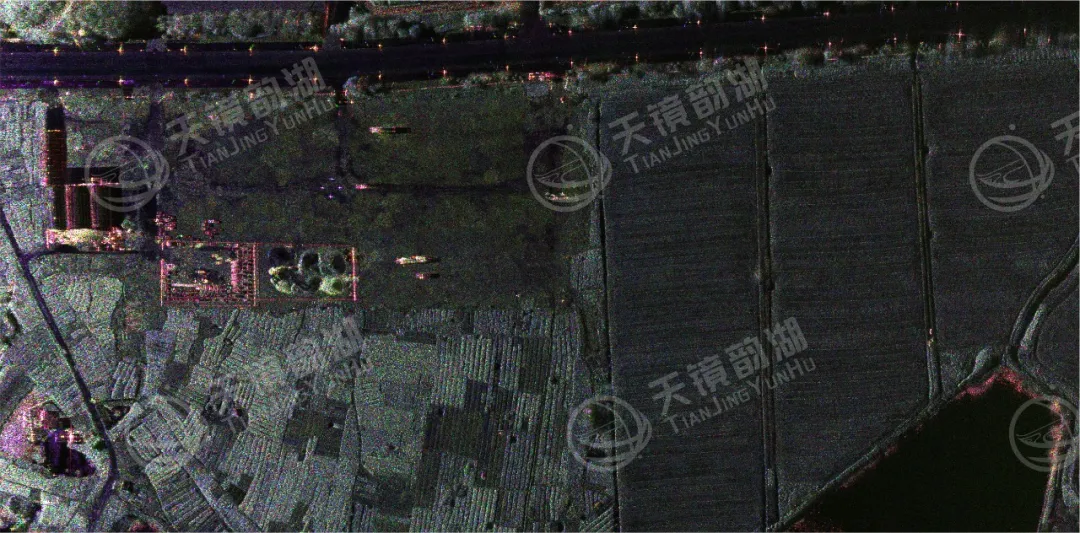
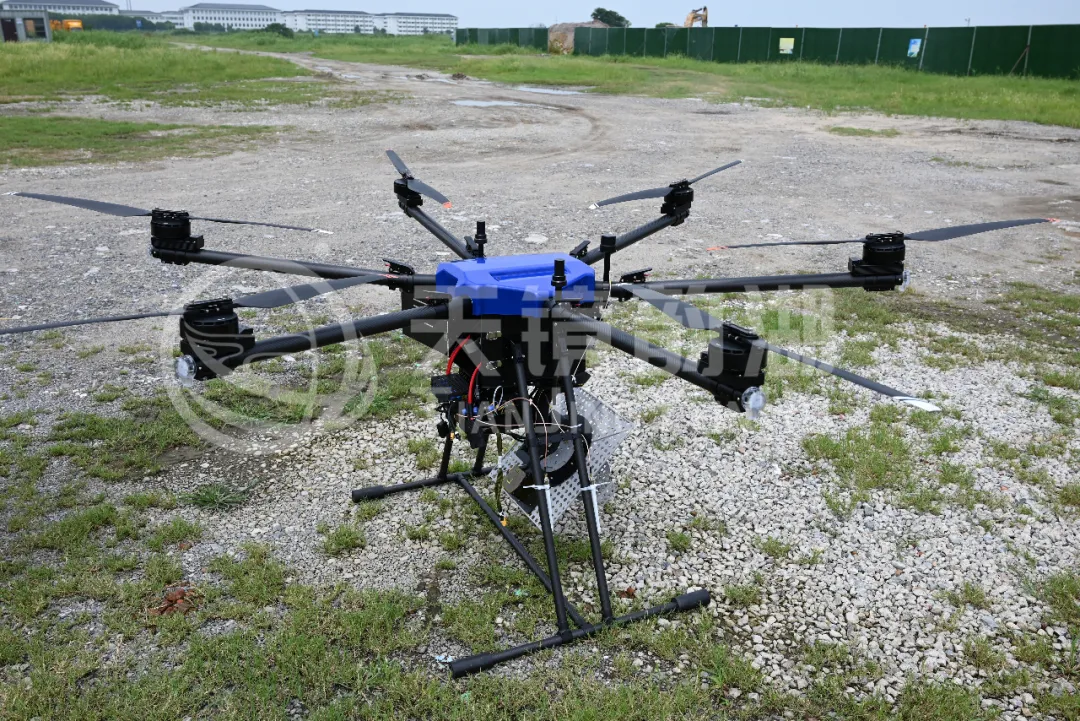
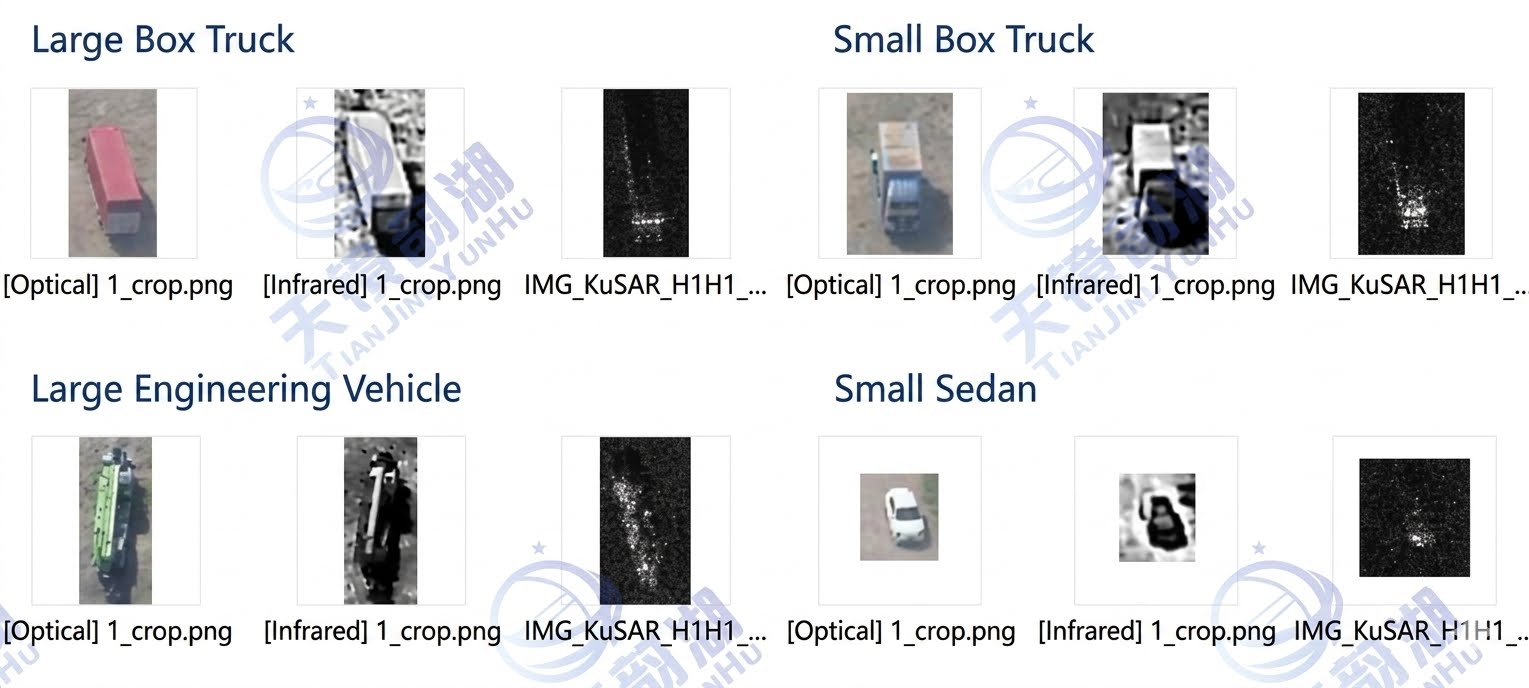
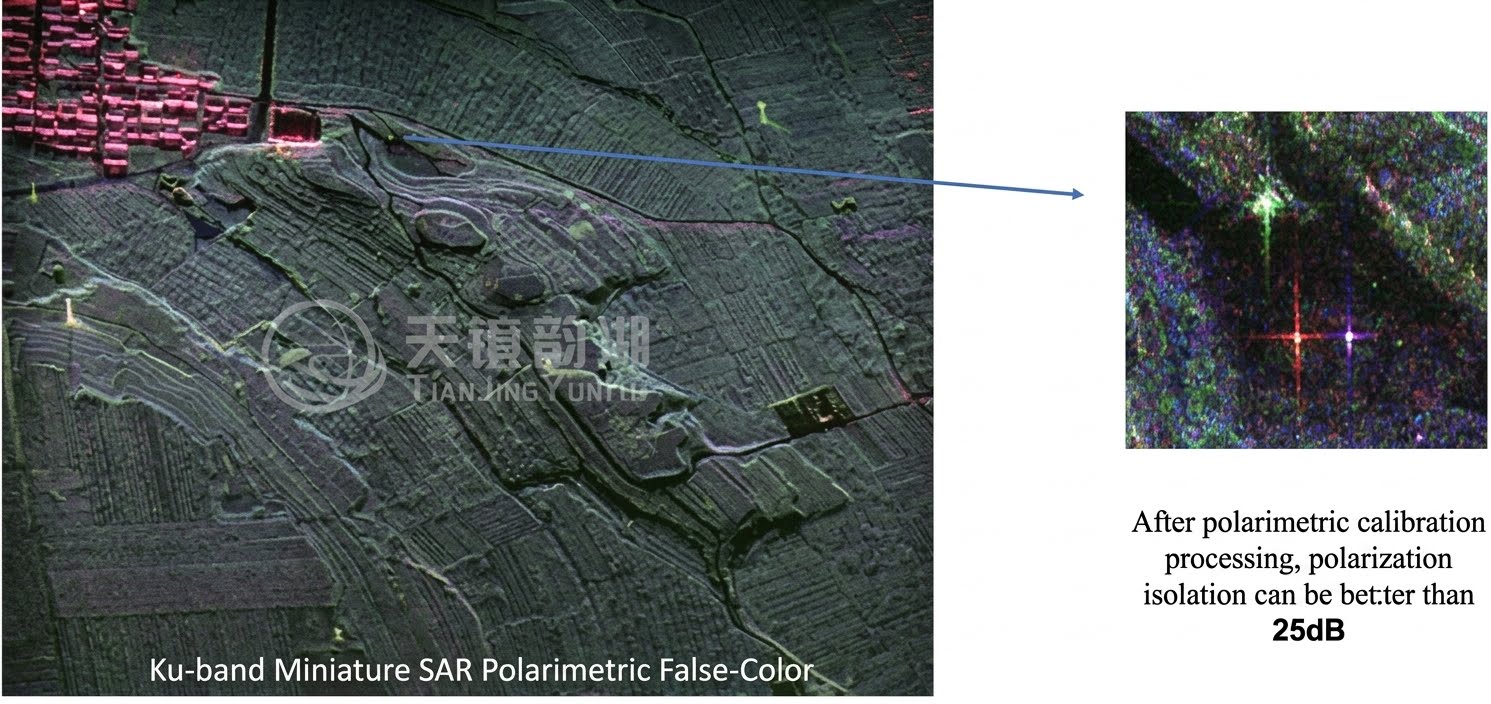
Suzhou Tianjing Yunhu Intelligent Technology Co., Ltd. (hereinafter referred to as Tianjing Yunhu) is committed to becoming a leading global synthetic aperture radar solution provider, offering users customized radar equipment, SAR data acquisition services, and radar data products. With years of R&D experience and professional technical accumulation, Tianjing Yunhu has launched SAR products with multiple bands and various capabilities, including frequency-modulated continuous wave and pulse systems. Currently, Tianjing Yunhu provides coverage across multiple bands such as X, Ku, K, Ka, C, W, and L. Its product systems support single-polarization, full-polarization, strip, spotlight, interferometric, and single-pulse search modes, and feature real-time imaging, GMTI, and deformation monitoring. Tianjing Yunhu SAR products can be deployed on multi-rotor/fixed-wing UAVs, manned aircraft, satellites, and vehicle-mounted platforms.