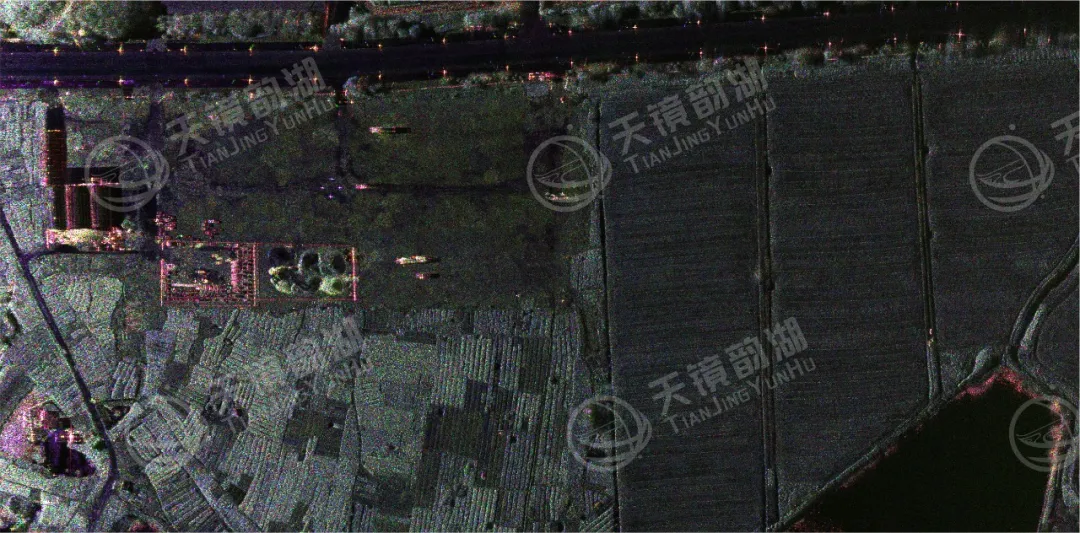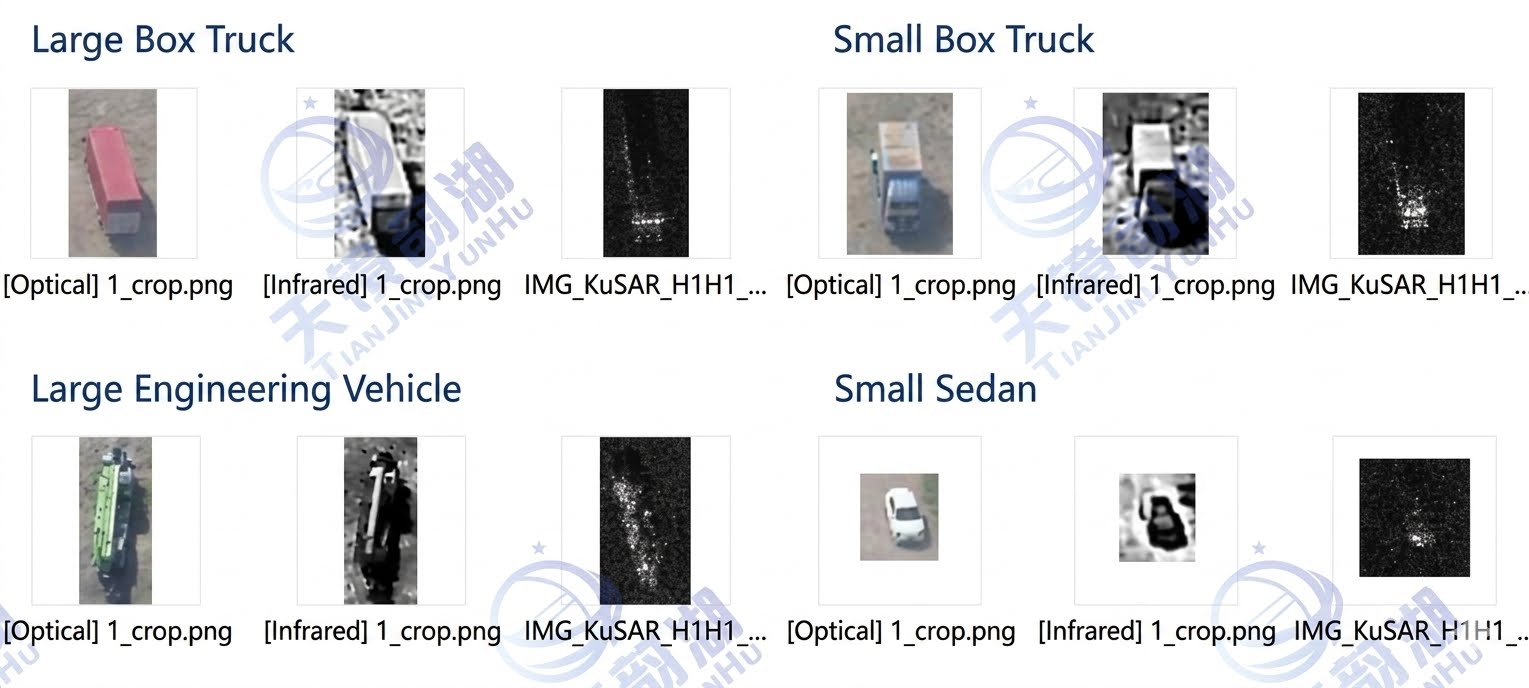

Synthetic Aperture Radar (SAR) holds an irreplaceable position in the field of moving target detection due to its unique advantages of all-weather, all-day, and penetrating imaging. From vehicle and ship tracking in military reconnaissance to traffic flow control and disaster emergency response in civilian fields, SAR moving target detection technology has always been a core support for improving perception capabilities. Unlike static target detection, moving targets exhibit unique Doppler frequency shifts and positional offsets in SAR imaging. This constitutes the core basis for detection but also brings many technical challenges.
The development of SAR moving target detection technology has undergone iterative evolution from traditional methods to intelligent algorithms. Early traditional methods were based on the Constant False Alarm Rate (CFAR) algorithm, which achieved detection by analyzing the statistical differences in grayscale between clutter and the target. Improved algorithms such as cell-averaged CFAR and ordered statistical CFAR were derived, demonstrating stable performance in simple scenarios. With technological advancements, detection methods based on Doppler information have emerged. By extracting the Doppler frequency shift characteristics of moving targets, they effectively distinguish between static clutter and moving targets, improving detection robustness in complex backgrounds. However, traditional methods generally rely on manually designed features, which are difficult to adapt to complex scenarios such as clutter non-uniformity and diverse target motion states.
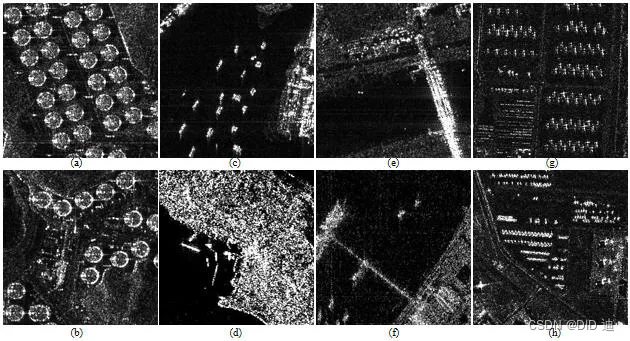
The rise of deep learning has injected new vitality into SAR moving target detection. Researchers have applied models such as convolutional neural networks (CNNs) and recurrent neural networks (RNNs) to this field, enabling the networks to automatically learn deep features of moving targets, thus significantly improving detection accuracy and generalization ability. For example, improved algorithms based on frameworks such as Faster R-CNN and YOLO, combined with optimization of the network structure based on the scattering characteristics of SAR images, have achieved end-to-end detection of moving targets. Some studies have also introduced attention mechanisms and feature pyramid networks to enhance the ability to identify weak moving targets and multi-scale targets. In addition, the integration of scattering features and deep learning has become a research hotspot. By incorporating the electromagnetic scattering mechanism of targets into the network design, the stability of the model under complex imaging conditions has been effectively improved.
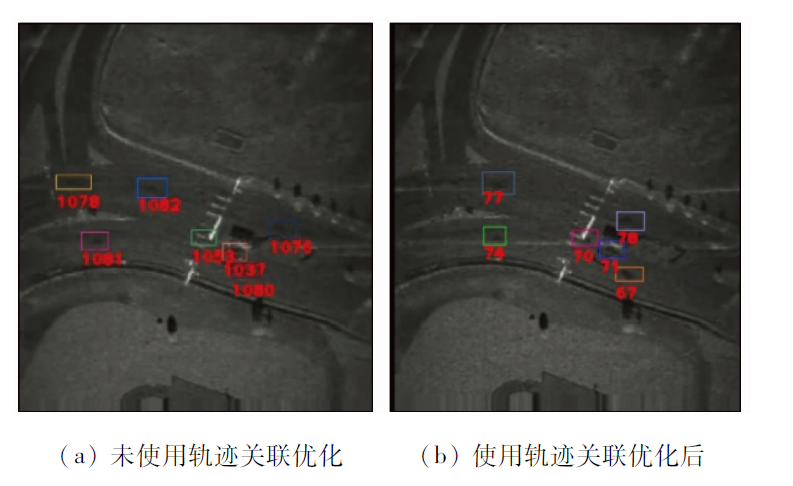
Currently, SAR moving target detection still faces three core challenges.
First, clutter interference: Non-uniform clutter generated by complex land terrain and ocean waves can easily be confused with weak moving target signals, leading to an increased false alarm rate.
Second, the diversity of target motion: Moving targets at different speeds and in different directions produce different imaging offsets, increasing the difficulty of feature extraction.
Third, data dependence: Deep learning algorithms require a large number of labeled samples, but the high cost and incomplete scene coverage of SAR moving target samples limit model performance improvement.
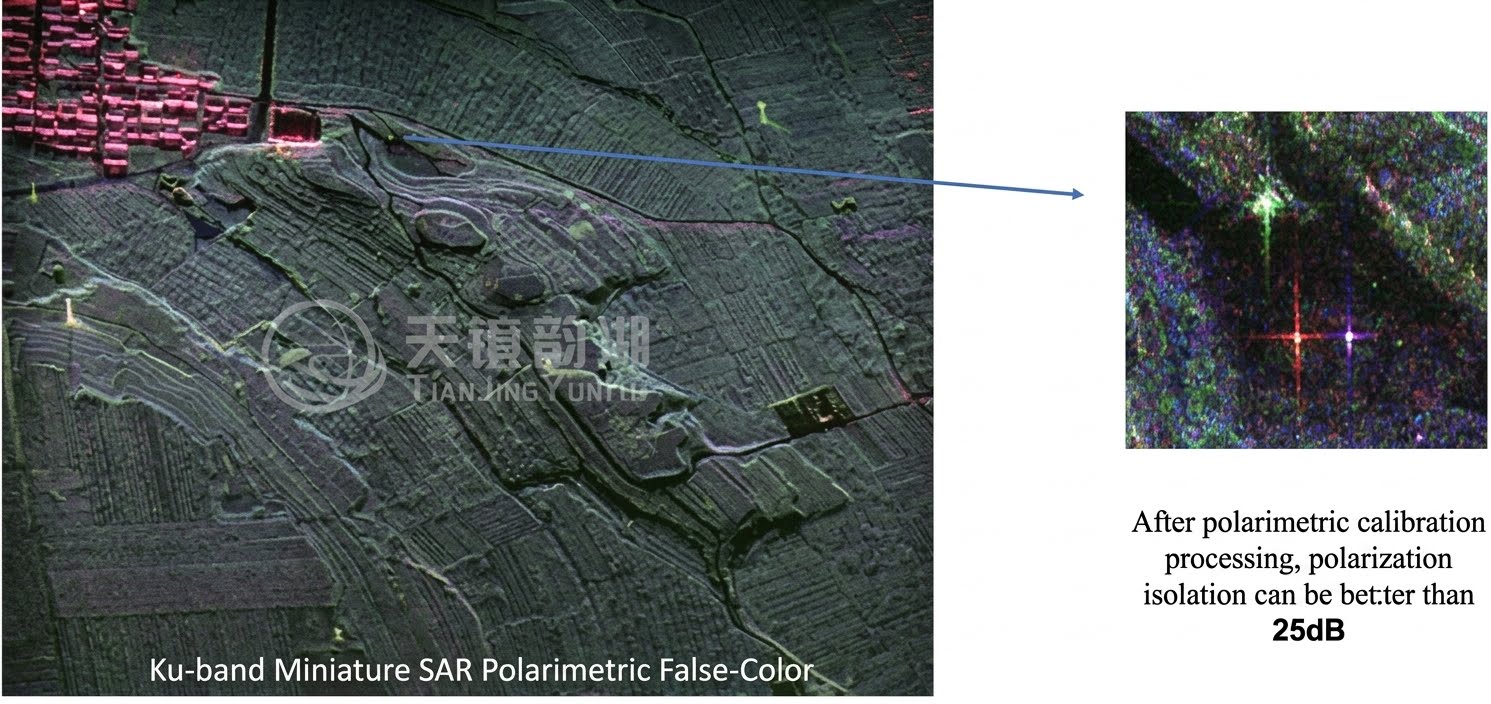
In the future, SAR moving target detection technology will develop towards multi-technology integration. On the one hand, by combining advanced imaging technologies such as polarimetric SAR and interferometric SAR, the dimensions of target features will be enriched, improving detection capabilities in complex scenes. On the other hand, the development of lightweight neural networks will drive the real-time application of the technology on spaceborne and airborne platforms. Simultaneously, the application of techniques such as few-shot learning and transfer learning is expected to solve the problem of sample scarcity, further expanding the application scenarios of the technology. With continuous technological breakthroughs, SAR moving target detection will play a more important role in national defense security, public welfare, and other fields, providing core technological support for the construction of an all-weather intelligent sensing system.
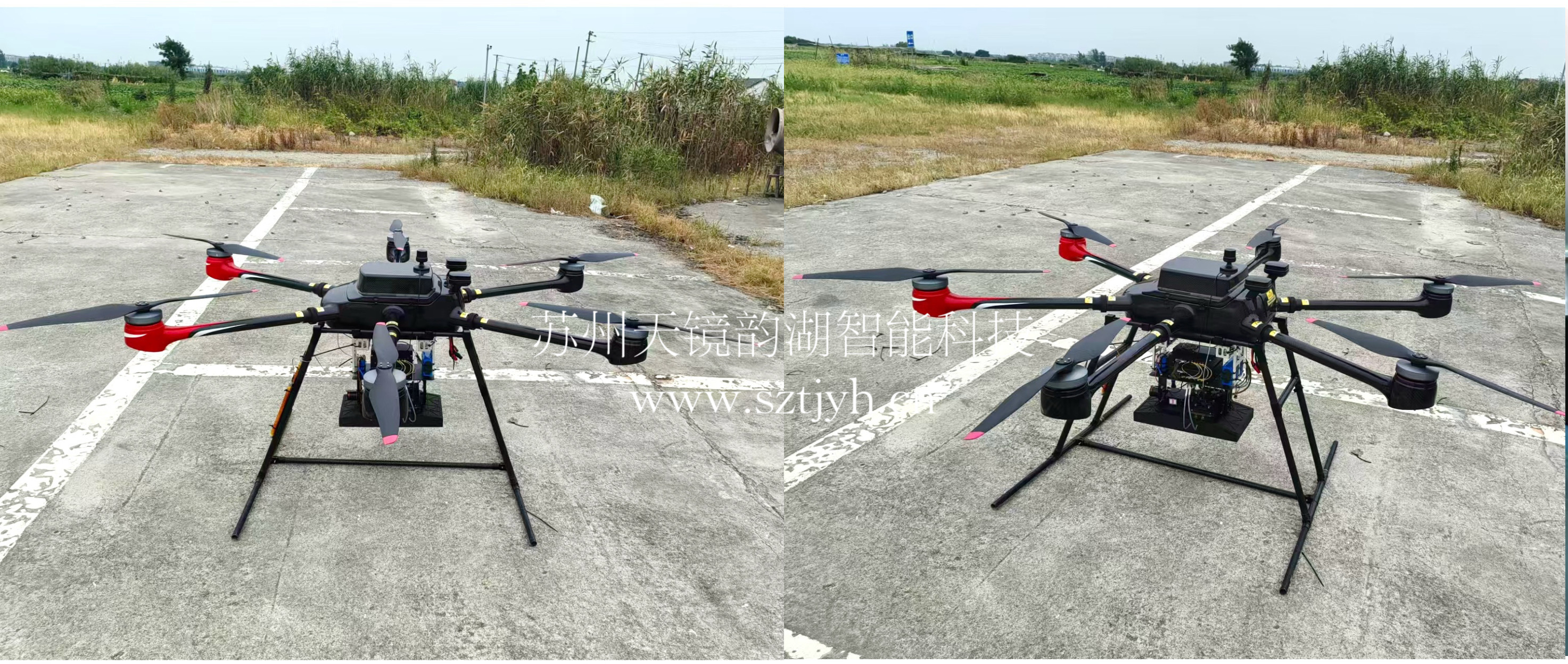
Airborne Miniature SAR System
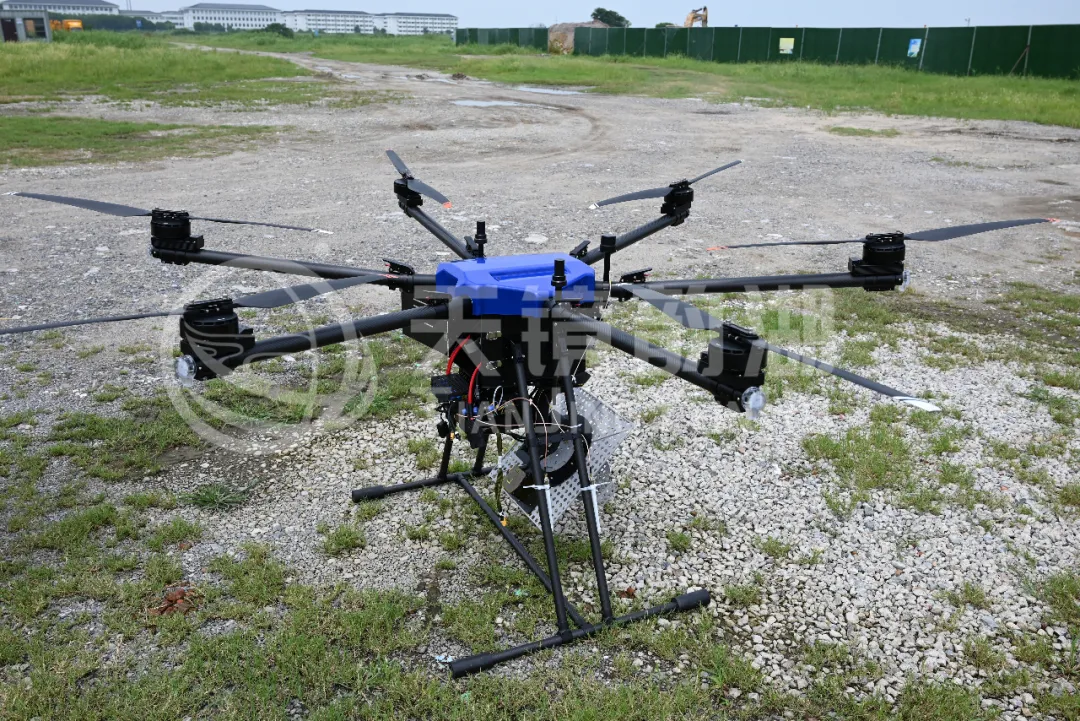
Suzhou Tianjing Yunhu Intelligent Technology Co., Ltd. (hereinafter referred to as Tianjing Yunhu) is committed to becoming a leading global provider of synthetic aperture radar (SAR) solutions, offering customized radar equipment, SAR data acquisition services, and radar data products. Leveraging years of R&D experience and professional technical accumulation, Tianjing Yunhu has launched SAR products with multiple bands and various capabilities, including frequency-modulated continuous wave (FM) and pulse systems. Currently, Tianjing Yunhu provides coverage across multiple bands, including X, Ku, K, Ka, C, W, and L. Its product systems support single-polarization, full-polarization, strip, spotlight, interferometric, and single-pulse search modes, and feature real-time imaging, GMTI, and deformation monitoring functions. Tianjing Yunhu SAR products can be deployed on multi-rotor/fixed-wing UAVs, manned aircraft, satellites, and vehicle-mounted platforms.