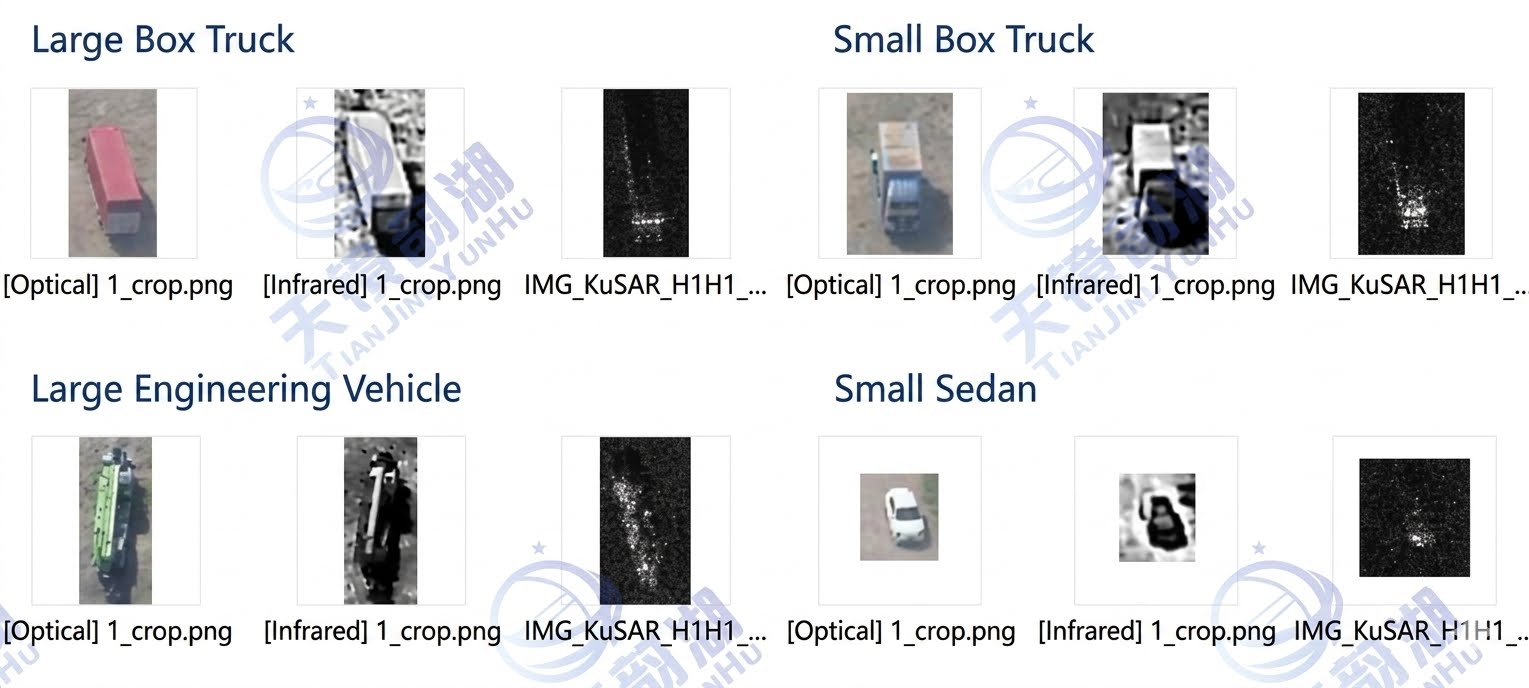

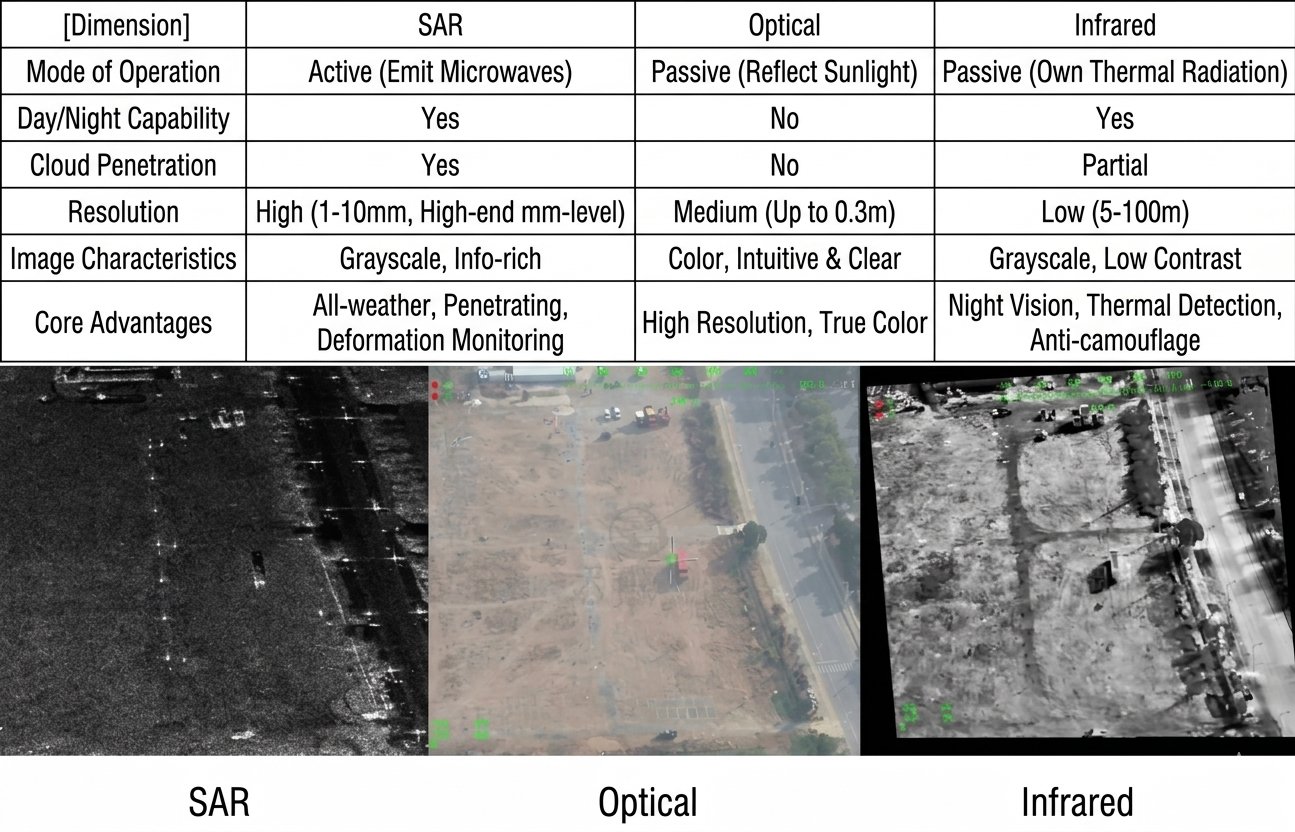
Compared to optical and infrared sensors, synthetic aperture radar (SAR) has a deeper advantage in preserving phase information, possessing interferometric (InSAR) capabilities that optical and infrared sensors cannot match. This allows it to extract millimeter-level surface deformation signals from two or more images, enabling precise monitoring and early warning of disasters such as earthquakes, landslides, and subsidence. In complex battlefield environments or extreme natural conditions, when optical and infrared methods are "invisible" or "unclear," synthetic aperture radar (SAR) remains a reliable pillar that can "see, distinguish, and measure accurately," and is an indispensable core node in building an integrated air-space-ground perception system.
Founded by a senior team from the Aerospace Information Research Institute of the Chinese Academy of Sciences, Tianjing Yunhu focuses on the research and development and solution provision of miniature synthetic aperture radar (SAR). Its products, including Lingyun, Xiangyun, Yunying, and Yunyuan, cover the entire P-band to W-band, supporting multiple operating modes such as full polarization, real-time imaging, GMTI, and DInSAR, with centimeter-level resolution. The radar boasts significant advantages such as lightweight design, low cost, and multi-mode operation, and is specifically tailored for various UAVs and low-altitude operation platforms.
Miniature SAR Lightweight Design:
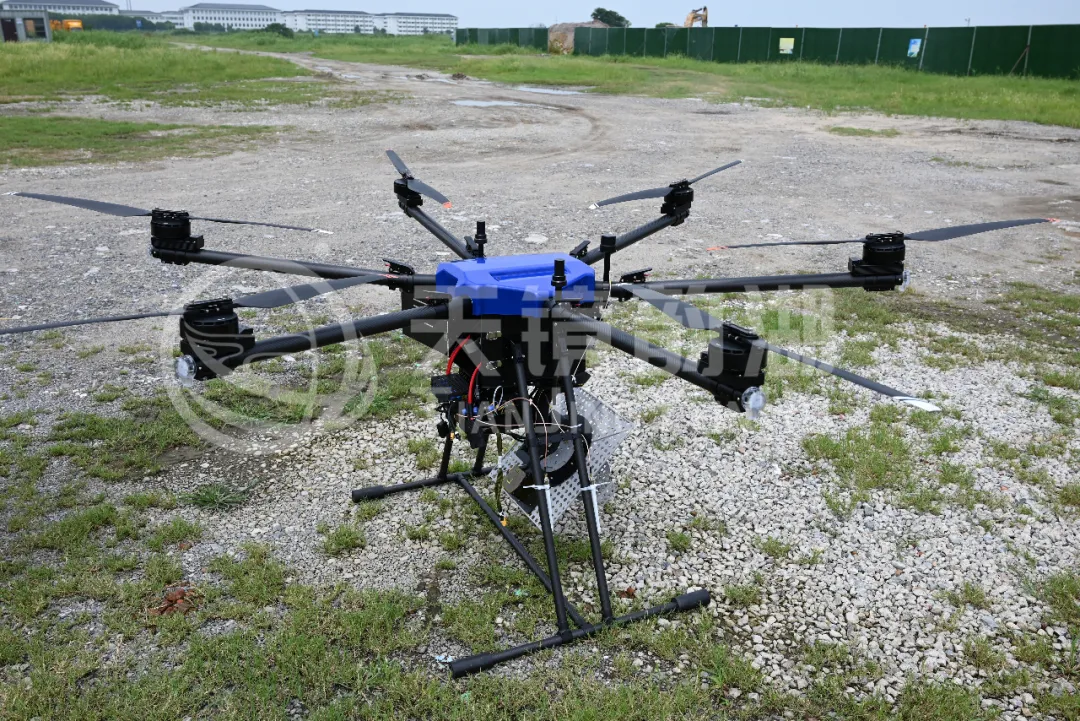
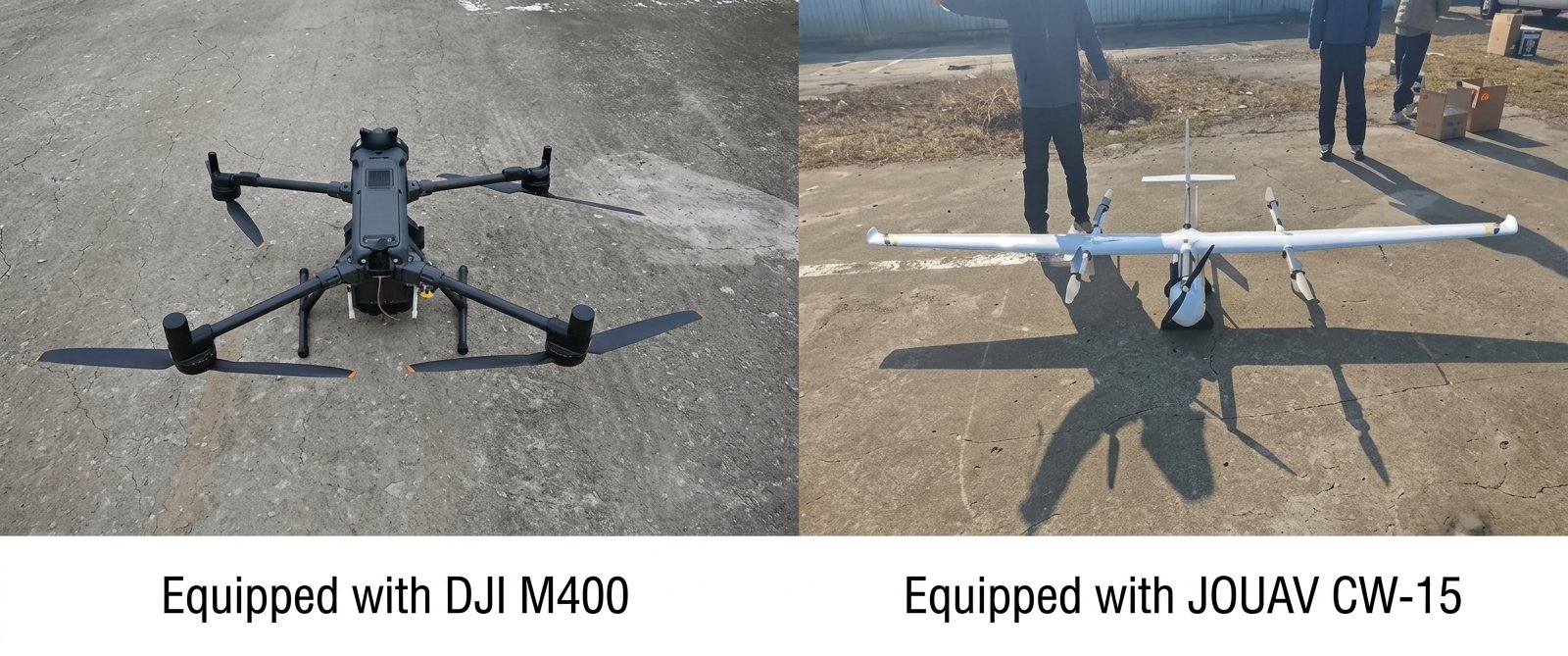
Tianjing Yunhu's SAR system reduces system complexity, size, weight, and power consumption, achieving a small, lightweight, and low-power miniature SAR system. It has been flight-tested on low-payload aircraft such as the DJI M400 and Zongheng CW15, achieving good flight performance. Furthermore, the SAR system adopts a modular quick-release structure design, allowing for rapid assembly and disassembly of the antenna, main unit, and cables without specialized tools. A single person can complete the installation and fixation of the radar system on the UAV platform within 10 minutes, significantly shortening the preparation time for field operations. This will make the highly efficient operation mode of "arriving on-site and flying immediately, then leaving immediately after the flight" a reality.
Low-Cost Miniature SAR:
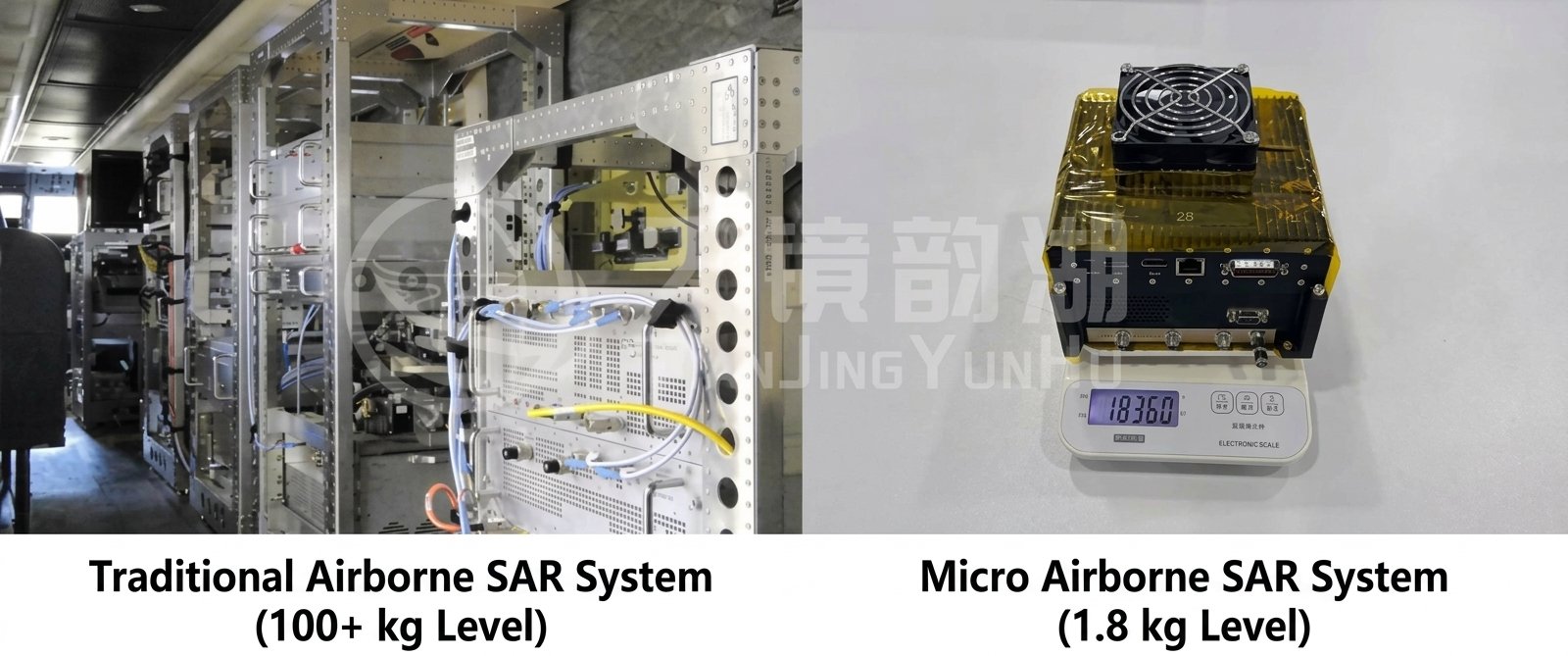
In the past, SAR systems were primarily based on large spaceborne and airborne platforms, costing hundreds of millions to billions of US dollars and requiring development cycles of 3 to 5 years. Traditional airborne solutions also cost tens of millions of yuan. This high cost limited procurement to a very small number of national institutions and the military, thus primarily serving the government and defense sectors. The government undertook over 90% of the manufacturing, leaving private enterprises virtually no opportunity to participate. Furthermore, traditional SAR systems are bulky, heavy, and power-consuming, making them unsuitable for small, lightweight aircraft and drones, severely limiting their large-scale application. Tianjing Yunhu's miniature airborne SAR, with its orders-of-magnitude cost reduction, ultra-lightweight design, and broad compatibility with drones, allows more industry users to enjoy high-resolution radar imaging services around the clock and in all weather conditions at an affordable price.
Multi-mode Micro SAR:
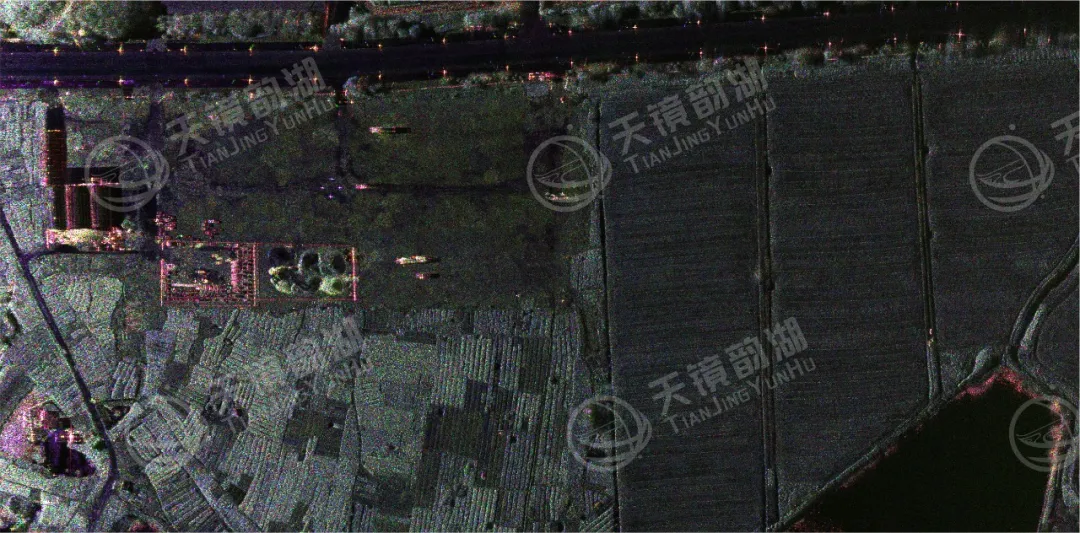
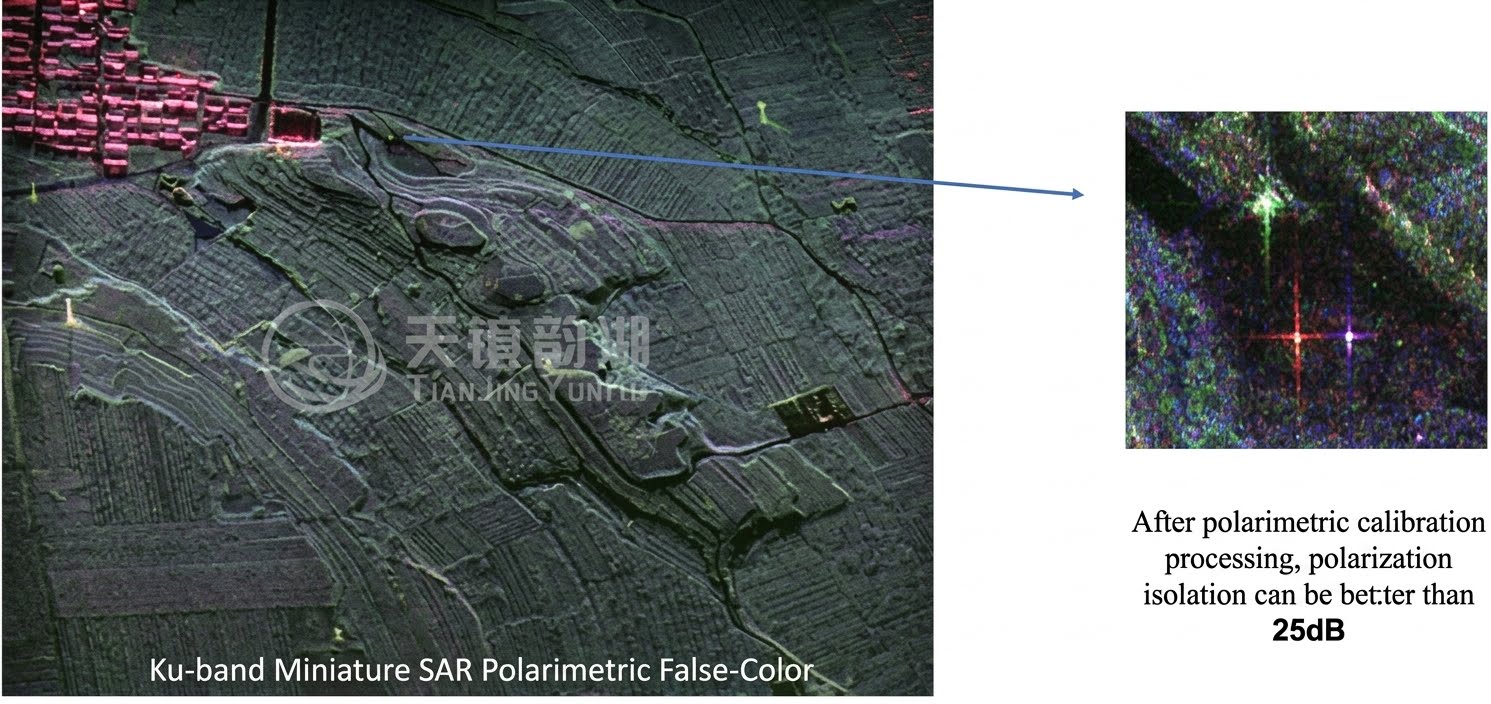
The Tianjing Yunhu SAR system supports multiple operating modes, including strip, spotlight, full polarization, real-time imaging, differential interferometry (DInSAR), and Ground Moving Target Indication (GMTI). This allows for flexible handling of diverse mission requirements such as wide-area surveys, detailed identification of key areas, surface deformation monitoring, and moving target detection. Specifically, the spotlight mode can image key targets, acquiring extremely high-resolution images; the strip mode is suitable for large-area continuous coverage, offering outstanding operational efficiency; the full polarization mode can acquire rich ground scattering information, effectively assisting in tasks such as ground feature classification; and the GMTI mode can detect moving ground targets in real time, providing crucial information for battlefield awareness. At the core algorithm and image processing level, our image resolution reaches centimeter-level, with clear imaging and rich details, achieving industry-leading overall performance.
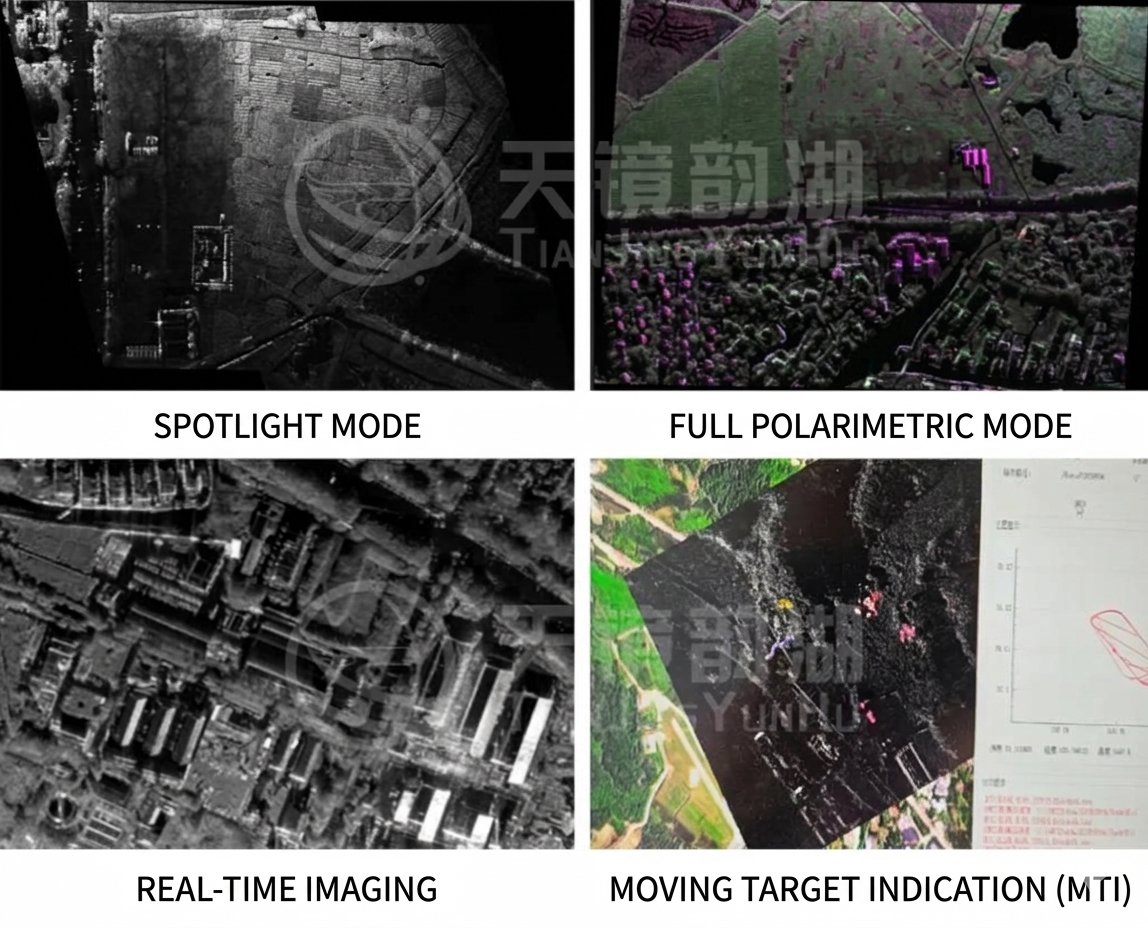
Miniature SAR has broad development and application prospects. In the past, SAR technology has been limited by its large size, high cost, and limited modes, hindering large-scale application. However, with the increasing maturity of SAR miniaturization and cost reduction, advancements in high-speed digital signal processing technology, and continuous breakthroughs in new SAR imaging algorithms, miniature SAR is poised for rapid development!
Tianjing Yunhu focuses on the research and development and solution provision of synthetic aperture radar (SAR) systems. From core algorithms to overall system integration, from lightweight design to multi-platform compatibility, we consistently adhere to independent innovation, striving to make miniature SAR lighter, clearer, and more accurate. Our products have been widely used in various fields such as maritime monitoring, topographic mapping, disaster monitoring, and border patrol, accumulating tens of thousands of flights and serving numerous industry users and research institutions. With the vision of becoming a leading global SAR solution provider, we are committed to promoting the widespread adoption of domestically produced SAR technology, making SAR a truly accessible, efficient, and reliable tool for Earth perception!