
1. Explain X-band SAR
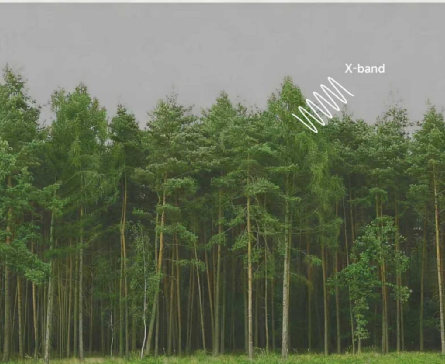
The X-band refers to the electromagnetic wave frequency band used by radar, with wavelengths ranging from approximately 2.5 cm to 3.75 cm (frequency typically 8-12 GHz). In the field of SAR (Radar Detection and Reconnaissance), the X-band is a very important frequency band, which can be understood as the "high-precision scout" in the radar family.
2. Advantages of X-band SAR
(1) High resolution
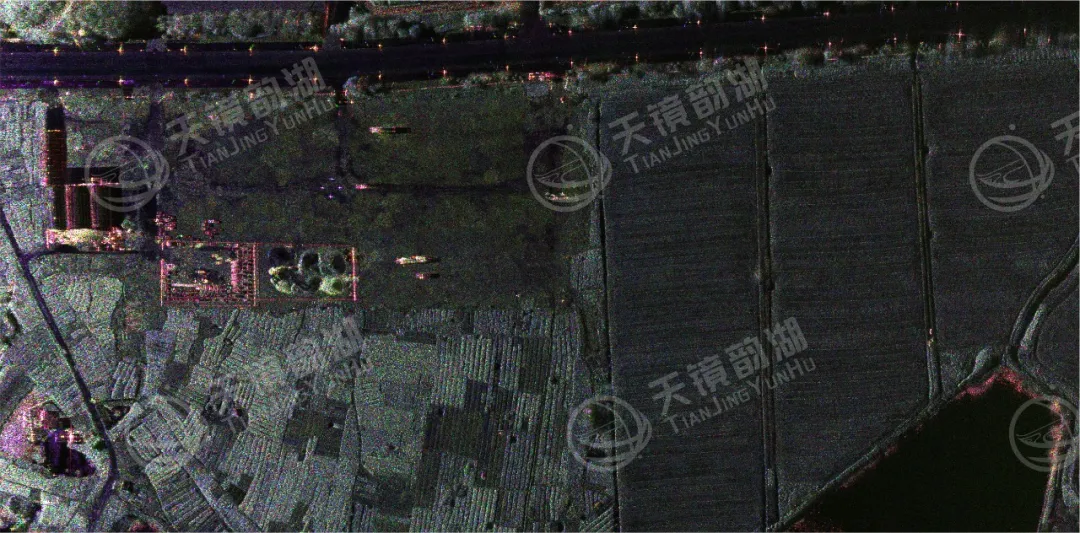
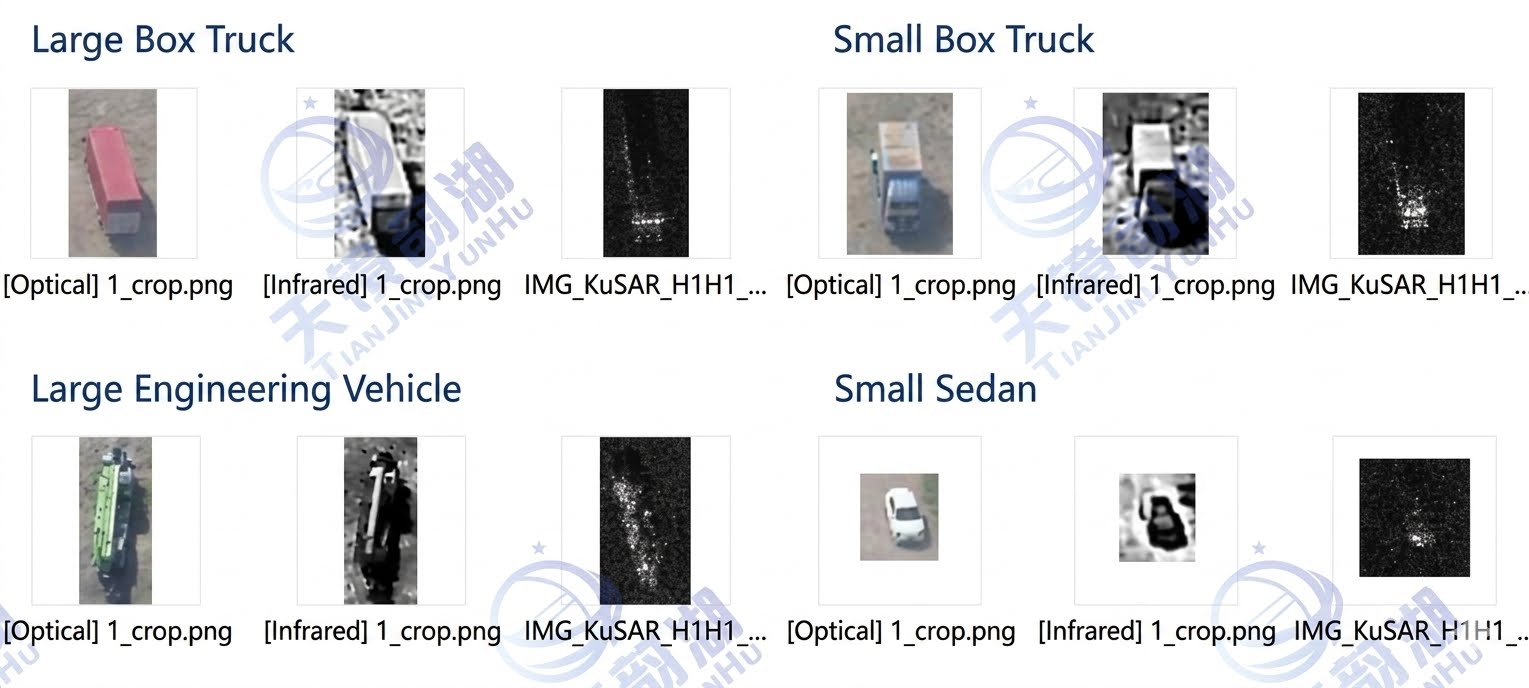
According to radar theory, the shorter the wavelength, the higher the theoretical resolution that can be obtained with the same antenna size. The X-band has a shorter wavelength, so it is very suitable for generating images with extremely rich details, and can identify small targets, such as the model details of cars, ships, and even aircraft.
(2) Strong Target Differentiation Capability: Accurate Target Type Identification
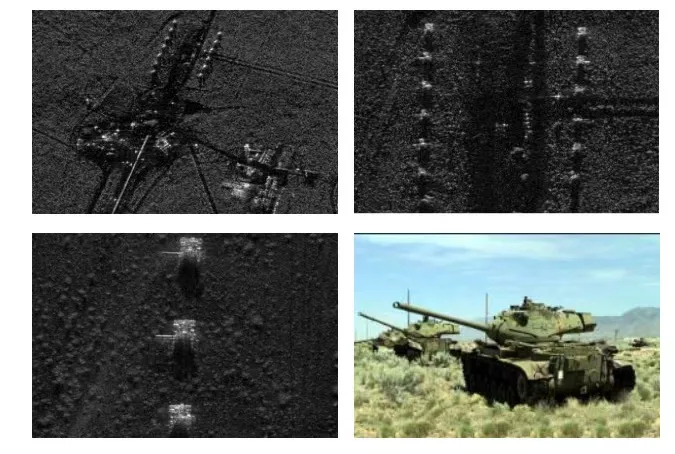
With higher sensitivity to target surface roughness and material, X-band SAR can effectively distinguish different types of targets. For example, in the agricultural field, it can accurately identify different crops such as rice, soybeans, and wheat; in the maritime field, it can distinguish the tonnage and structure of cargo ships, fishing boats, and warships; in cities, it can quickly distinguish between ordinary buildings and illegally constructed temporary buildings, avoiding misjudgments caused by long-band "blurred imaging".
(3) Penetration
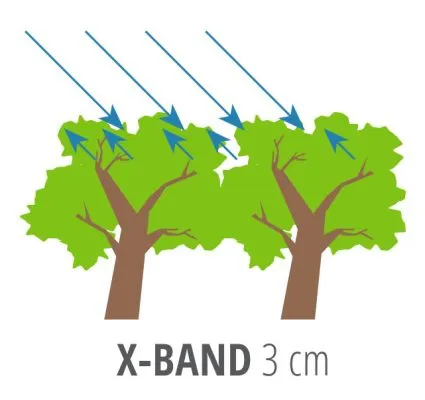
Compared to the short-wavelength Ku band (wavelength 1.7-2.4cm, extremely weak penetration, easily blocked by raindrops and vegetation), the X band can penetrate shallow media—for example, penetrating 1-2 meters of vegetation canopy (to obtain forest understory topography), penetrating 10-20 cm of shallow water (to obtain underwater topography), and penetrating clouds or dust (to achieve all-weather observation); at the same time, it does not "over-penetrate" like long-wavelength bands (such as the P band, wavelength 23-100cm, excessively penetrating), resulting in the loss of ground details. This "moderate penetration" allows it to break through obstructions and retain target details in complex environments (such as forests, wetlands, and severe weather).
3. Main Applications of X-band SAR
With its high resolution and sensitivity, X-band SAR has wide applications in both military and civilian fields:
(1) Military and Security Reconnaissance: Used for high-precision imaging of specific areas to identify, classify, and monitor military equipment (tanks, aircraft, warships), facilities, and troop movements.
(2) Topographic Mapping and Cartography: Generates high-precision digital elevation models.
(3) Urban Infrastructure Monitoring: Monitors urban ground subsidence, the stability of high-rise buildings, bridges, and elevated roads with millimeter-level accuracy.
(4) Disaster Monitoring and Assessment: Earthquakes, volcanoes, floods, and landslides.
(5) Marine Applications: Monitors ship navigation (ship identification and tracking), marine oil spills, sea ice types and distribution, wave spectra, etc.
(6) Agriculture and Forestry: Used for crop classification and growth status assessment. It can also be used to monitor illegal logging and other activities.
4. Summary
Synthetic Aperture Radar (SAR) in the X-band, with its short wavelength as its core characteristic, plays the role of a "high-precision detail observer" and "micro-deformation detector" in the field of radar remote sensing. It is irreplaceable in scenarios requiring "clear and detailed vision," but complements long-wavelength bands (such as L and P bands), together forming a comprehensive, multi-scale, three-dimensional observation capability of the Earth.
When choosing which SAR band to use, a trade-off must always be made between "resolution," "penetration," and "coverage," and the X-band is precisely the choice for those seeking ultimate resolution and sensitivity.
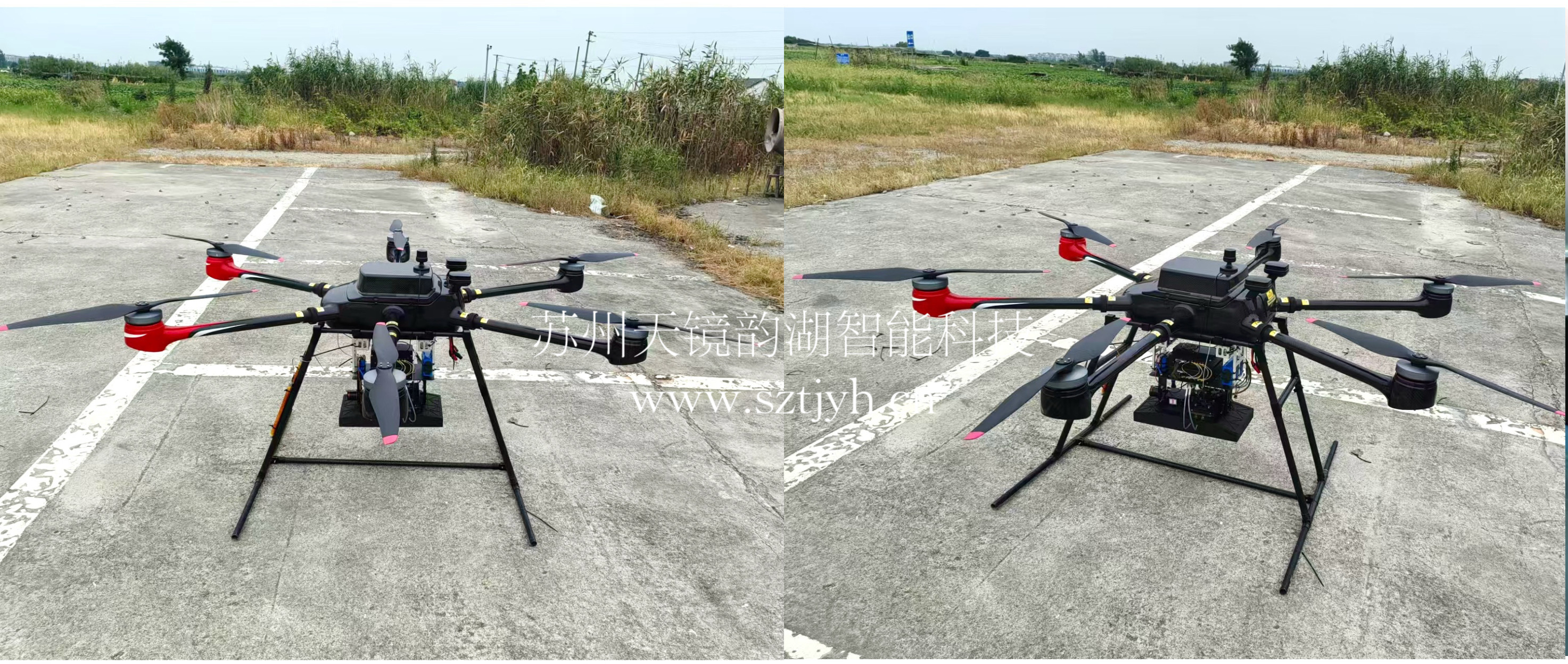
5. Airborne Miniature SAR System
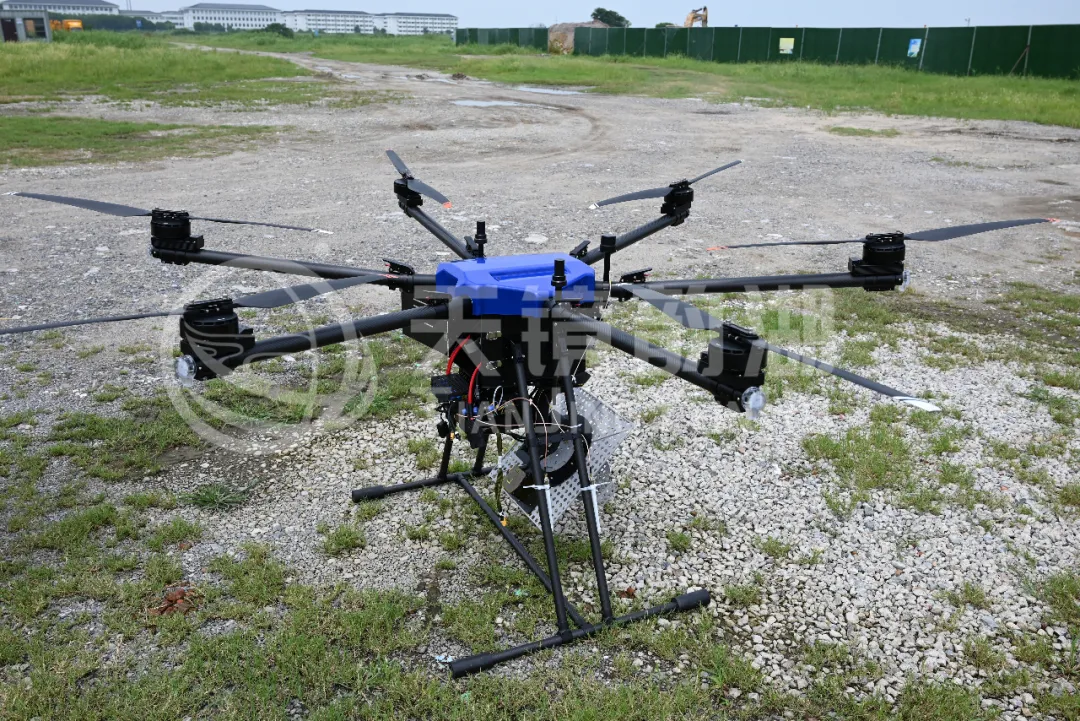
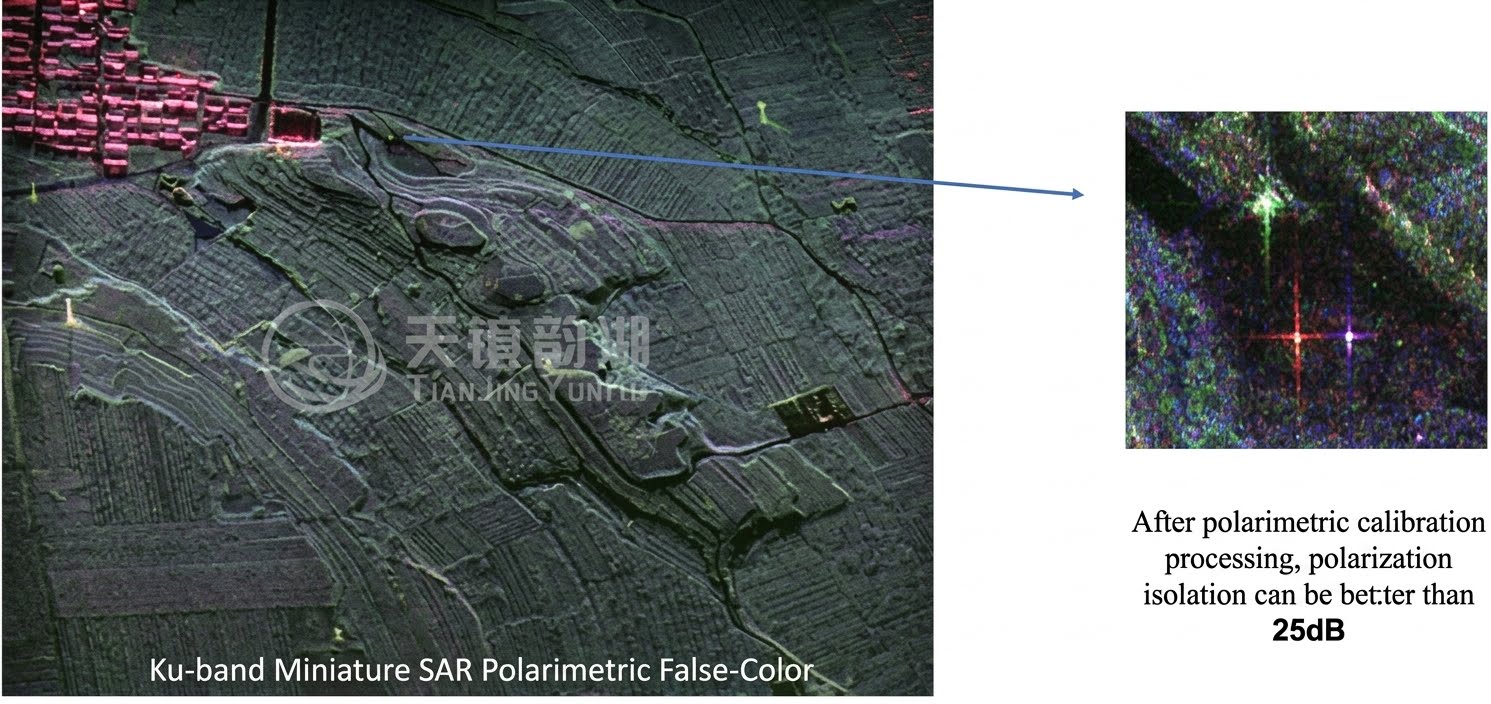
Suzhou Tianjing Yunhu Intelligent Technology Co., Ltd. (hereinafter referred to as Tianjing Yunhu) is committed to becoming a leading global synthetic aperture radar (SAR) solution provider, offering users customized radar equipment, SAR data acquisition services, and radar data products. Leveraging years of R&D experience and professional technical accumulation, Tianjing Yunhu has launched SAR products in multiple bands with various capabilities, including frequency-modulated continuous wave and pulse systems. Currently, Tianjing Yunhu SAR has coverage of multiple bands including X, Ku, K, Ka, C, W, and L. Its product system supports single-polarization, full-polarization, strip, spotlight, interferometric, and single-pulse search modes, and features real-time imaging, GMTI, and deformation monitoring. Tianjing Yunhu SAR products can be deployed on multi-rotor/fixed-wing UAVs, manned aircraft, satellites, and vehicle-mounted platforms.