
1. Explaining Ka-band SAR
Ka stands for K-above. Ka-band microwave signals belong to the millimeter-wave band, with a frequency range of 26.5-40 GHz, also known as the 30/20 GHz band. It is the "ultra-high precision microscope" or "agile scout" of the SAR family. It is one of the shortest wavelength and highest frequency bands currently used in spaceborne and airborne SAR.
Compared to other bands of SAR, the core technologies of Ka-band SAR lie in Ka-band radio frequency transceiver technology, low-power signal transceiver technology, and antenna technology. Radio frequency transceiver technology includes high-power transmission technology and low-noise amplification technology; low-power signal transceiver technology includes modulation and demodulation technology and interference suppression technology for signal transmission and reception channels; antenna technology includes broadband antenna technology and high-transmittance broadband radome technology. Previously, high-power Ka-band microwave signal devices were immature, technically challenging, and expensive, while the Ka band was mostly used for short-range detection, such as collision avoidance radar and traffic monitoring.
2. Advantages of Ka-band SAR
(1) High Image Resolution
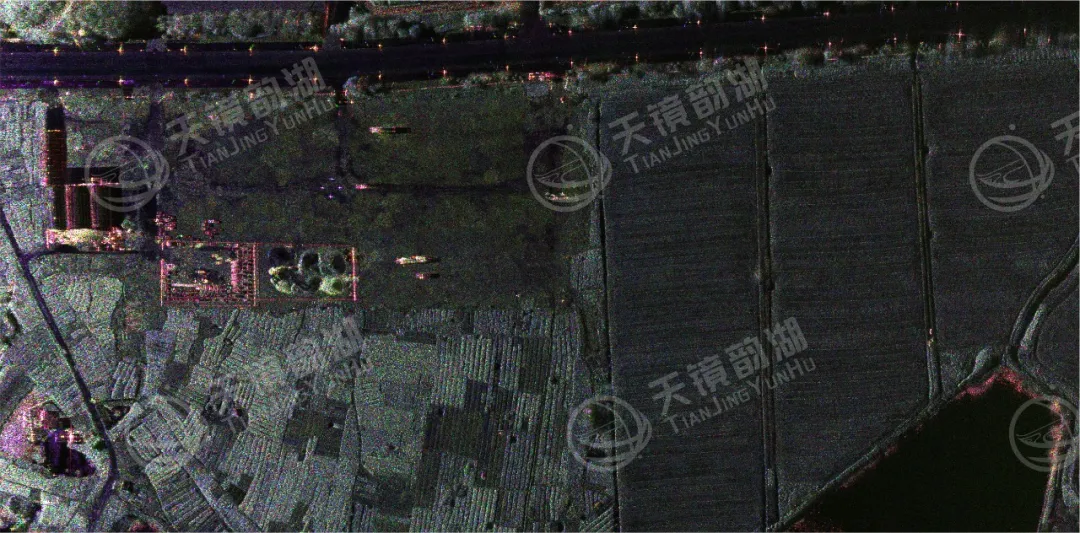
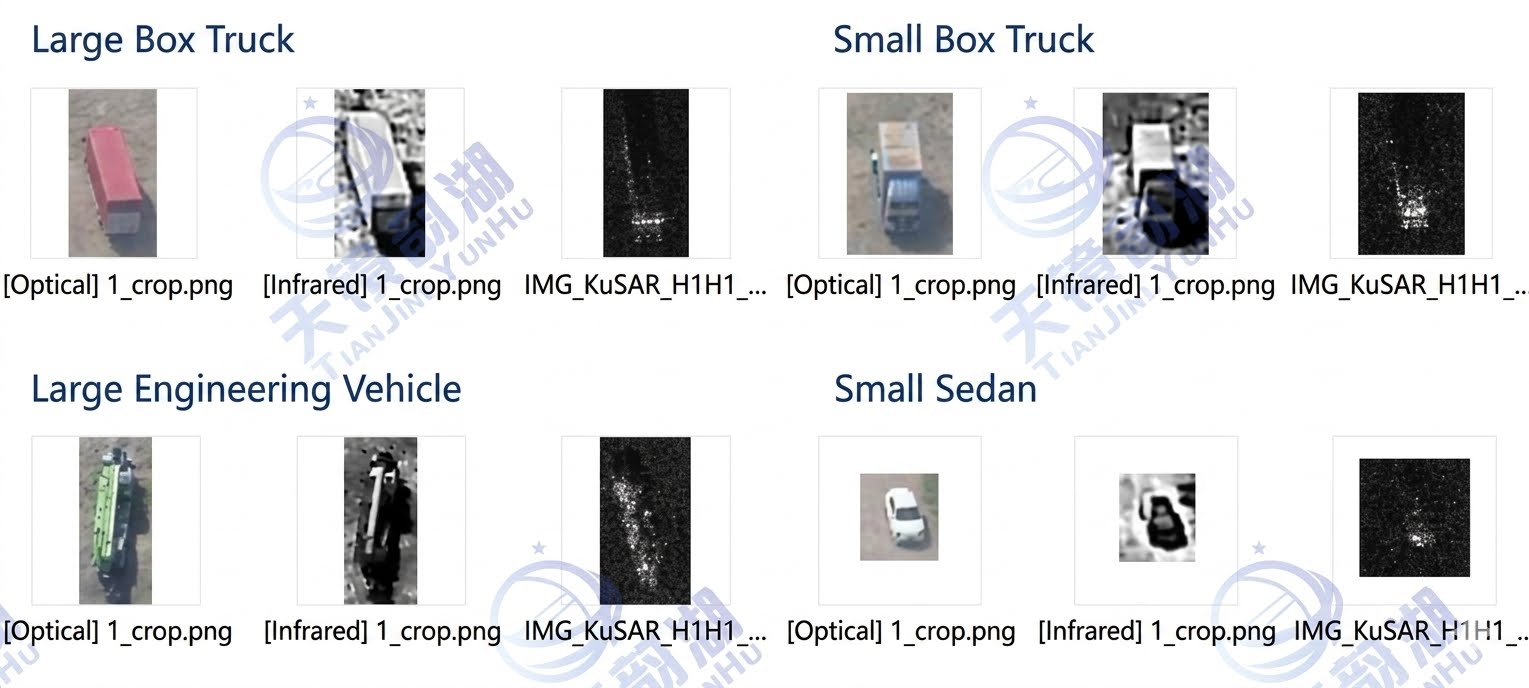
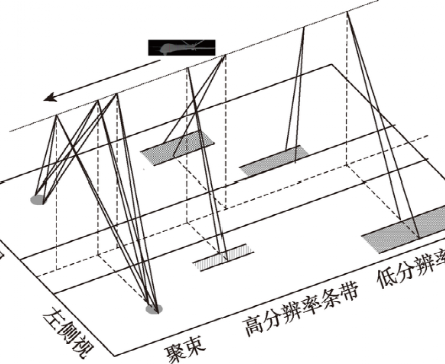
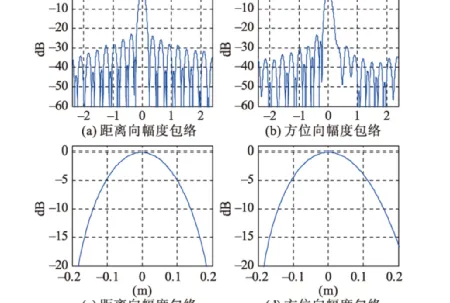
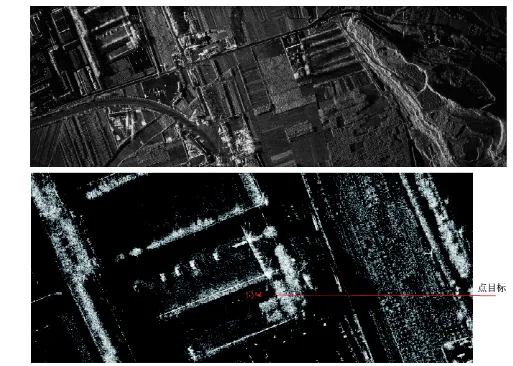
Ka-band radar operates at a high frequency, typically 35 GHz. Compared to the reach of Ku and X bands, it can achieve a larger system bandwidth, resulting in relatively high SAR range resolution. Furthermore, its smaller antenna size facilitates higher azimuth resolution. According to radar resolution theory, with the same antenna aperture, a shorter wavelength results in higher resolution. Ka-band radar can achieve centimeter-level or even higher resolution, capable of distinguishing extremely fine ground features, such as lane markings on highways, specific vehicle models, and small building components.
(2) Radar Miniaturization
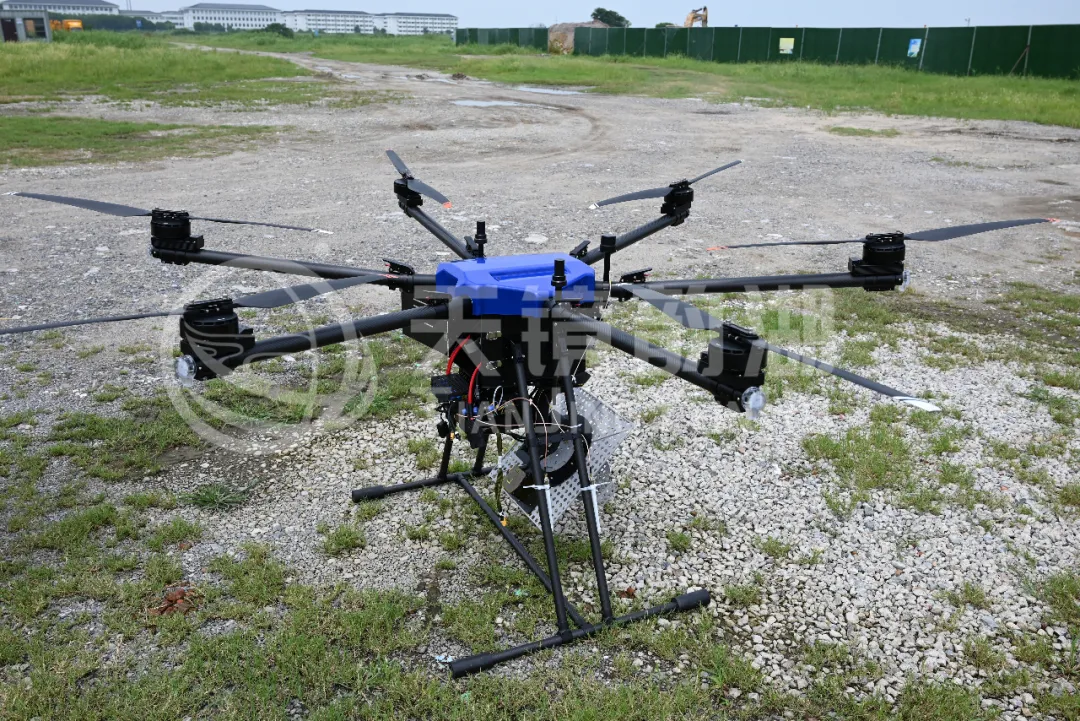
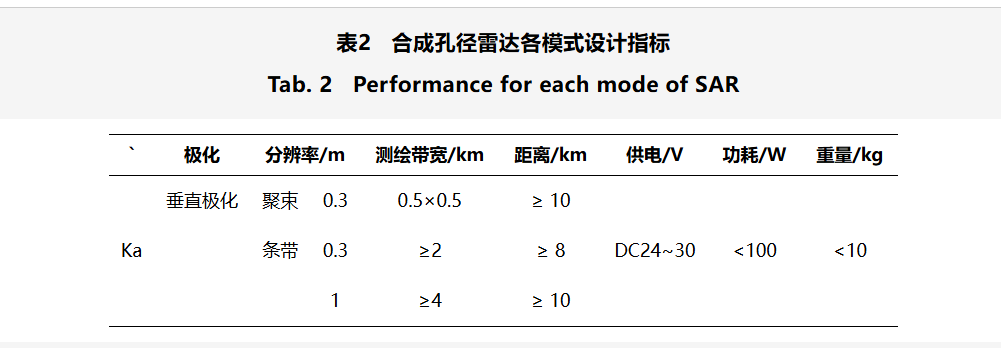
Since Ka-band radar signals are millimeter-wave, the size of the radar system's antenna and microwave components is correspondingly reduced. For example, the antenna aperture area of a Ka-band antenna achieving the same gain is only one-quarter that of a Ku-band antenna. Therefore, Ka-band SAR radar is easier to miniaturize and is more suitable for applications on small unmanned aerial vehicle (UAV) platforms.
(3) Better Image Quality
The Ka-band has a center frequency of 35 GHz, and its wavelength is shorter, closer to the visible light band. Therefore, Ka-band SAR radar images have clearer and more detailed information, resulting in better image quality.
3. Main Applications of Ka-band SAR
(1) Ultra-high resolution military and civilian reconnaissance: Used for acquiring strategic-level intelligence, the image detail far exceeds that of the X-band, enabling more accurate target identification and feature extraction.
(2) Millimeter-level deformation monitoring of infrastructure: Utilizing its extremely high interferometric sensitivity, it can monitor the health of bridges, dams, high-speed rail tracks, high-rise buildings, airport runways, etc., detecting early and minute deformations to prevent problems before they occur.
(3) Monitoring fine changes on the surface of glaciers and ice sheets: The extremely short wavelength means that Ka-band SAR signals can hardly penetrate ice and snow. Therefore, it measures the actual surface of glaciers and ice sheets, rather than the interior of the snow layer as L-band signals might penetrate. This is crucial for accurately monitoring glacier flow rate, surface ablation, and mass balance.
(4) Three-dimensional elevation measurement (single flight): Combined with advanced technologies such as digital beamforming, Ka-band SAR systems (such as airborne millimeter-wave InSAR) can generate extremely high-precision digital surface models in a single flight, used for urban 3D modeling, power line inspection, etc.
4. Summary
Ka-band synthetic aperture radar (SAR) is the technology of choice for those seeking ultimate resolution and measurement sensitivity. It acts like an incredibly sharp scalpel, capable of revealing the most subtle features and changes in ground features.
However, its powerful capabilities come at the cost of extreme sensitivity to atmospheric conditions and virtually no penetration. Therefore, Ka-band SAR is usually not the first choice for "all-around" or "operational" use, but rather a "specialized tool" used under specific conditions (clear weather) to complete specific high-precision tasks. It forms a perfect complementary relationship with X, C, and L bands, together constituting a complete Earth observation system from macroscopic to microscopic, from surface to subsurface.
5. Airborne Miniature SAR System
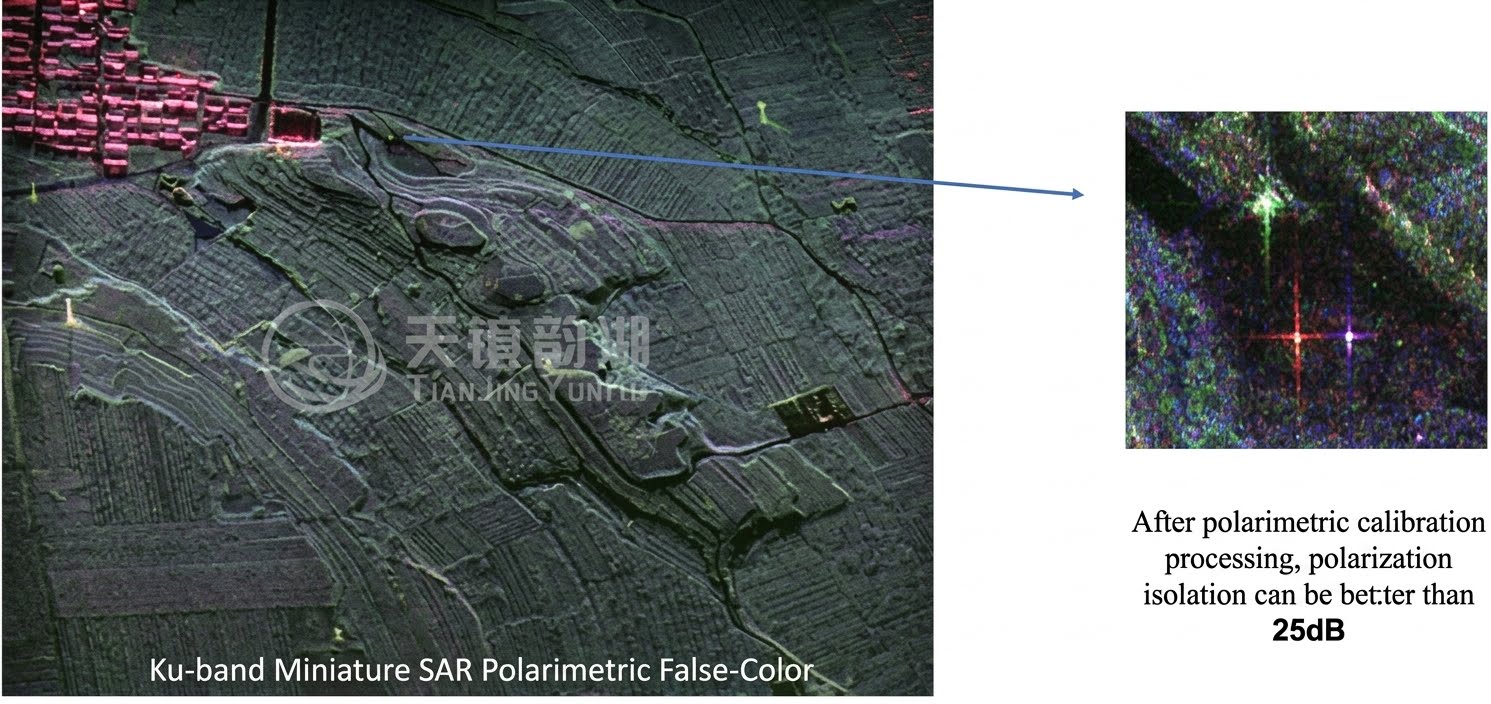
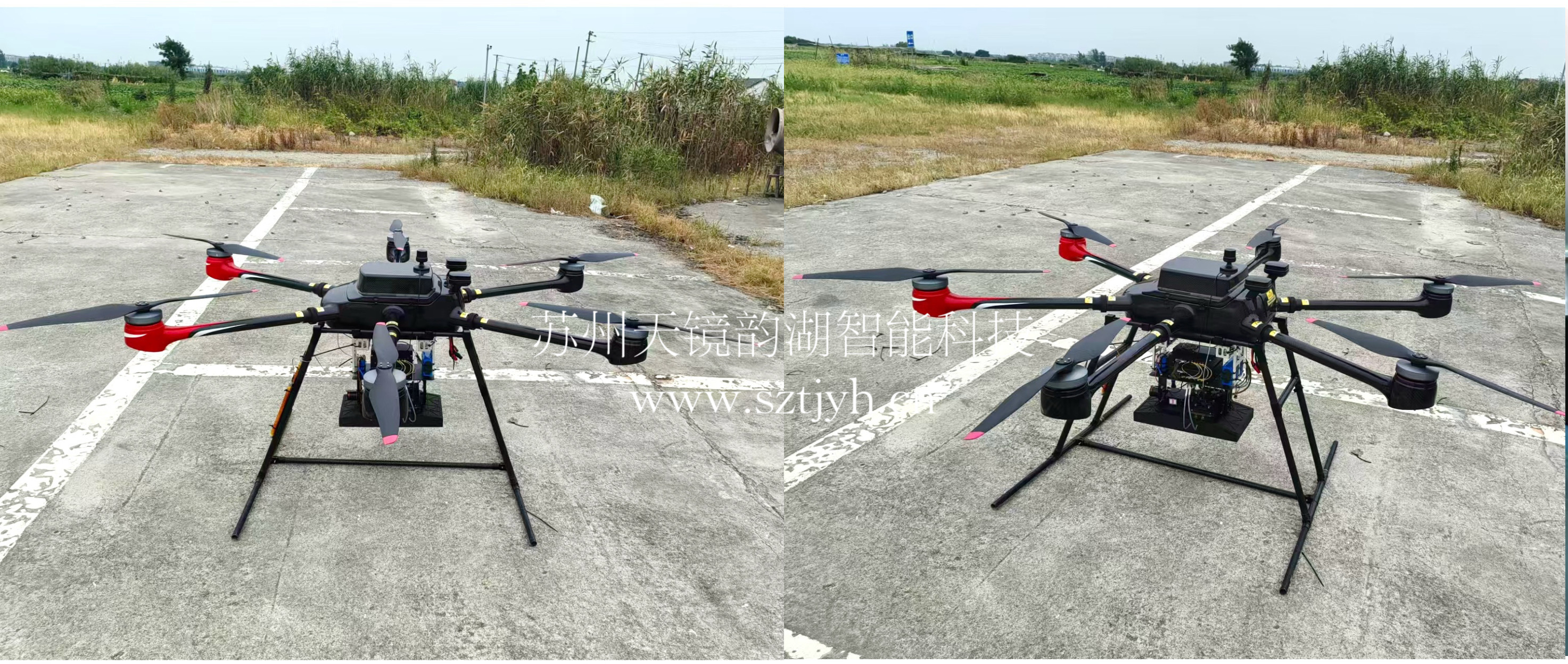
Suzhou Tianjing Yunhu Intelligent Technology Co., Ltd. (hereinafter referred to as Tianjing Yunhu) is committed to becoming a leading global synthetic aperture radar solution provider, offering users customized radar equipment, SAR data acquisition services, and radar data products. With years of R&D experience and professional technical accumulation, Tianjing Yunhu has launched SAR products in multiple bands and with various capabilities, including frequency-modulated continuous wave and pulse systems. Currently, Tianjing Yunhu SAR has coverage of multiple bands including X, Ku, K, Ka, C, W, and L. Its product system supports single-polarization, full-polarization, strip, spotlight, interferometric, and single-pulse search modes, and features real-time imaging, GMTI, and deformation monitoring. Tianjing Yunhu SAR products can be deployed on multi-rotor/fixed-wing UAVs, manned aircraft, satellites, and vehicle-mounted platforms.