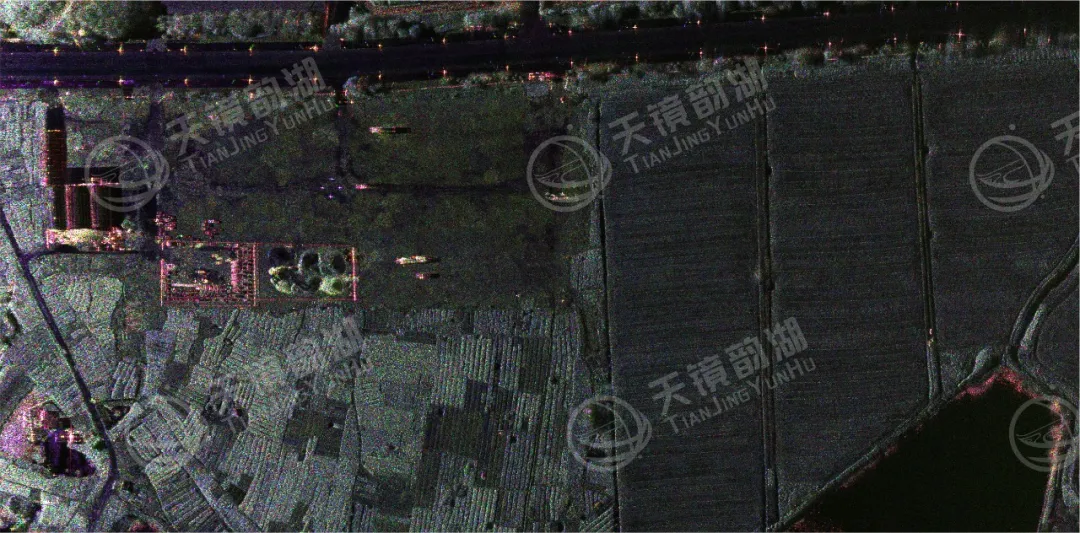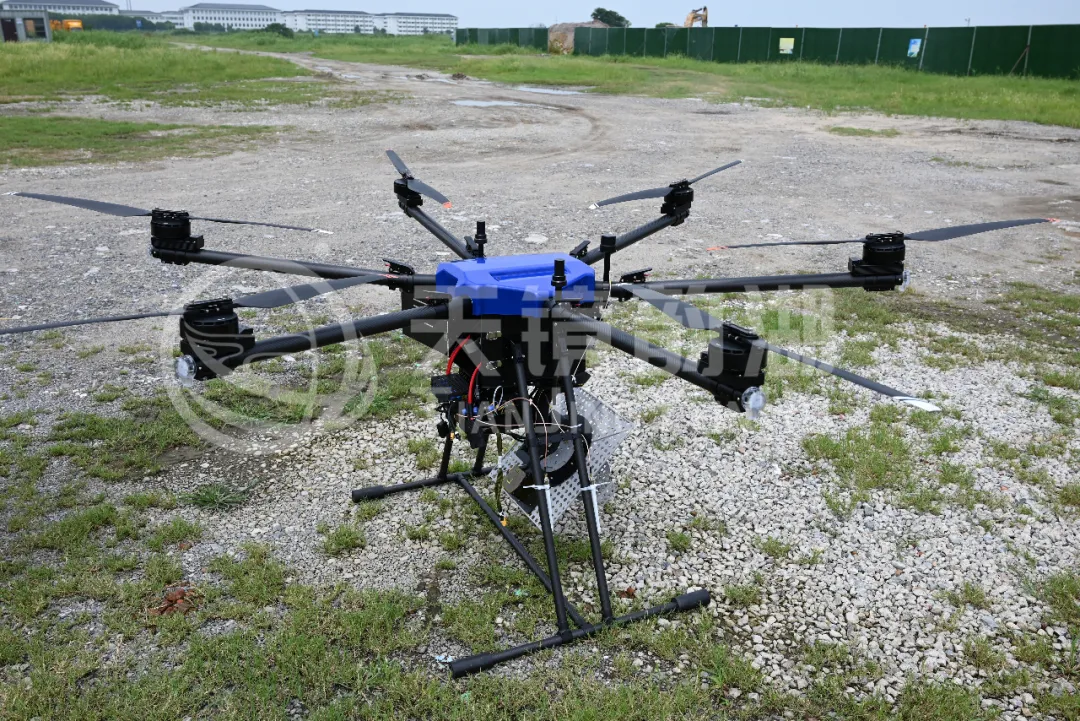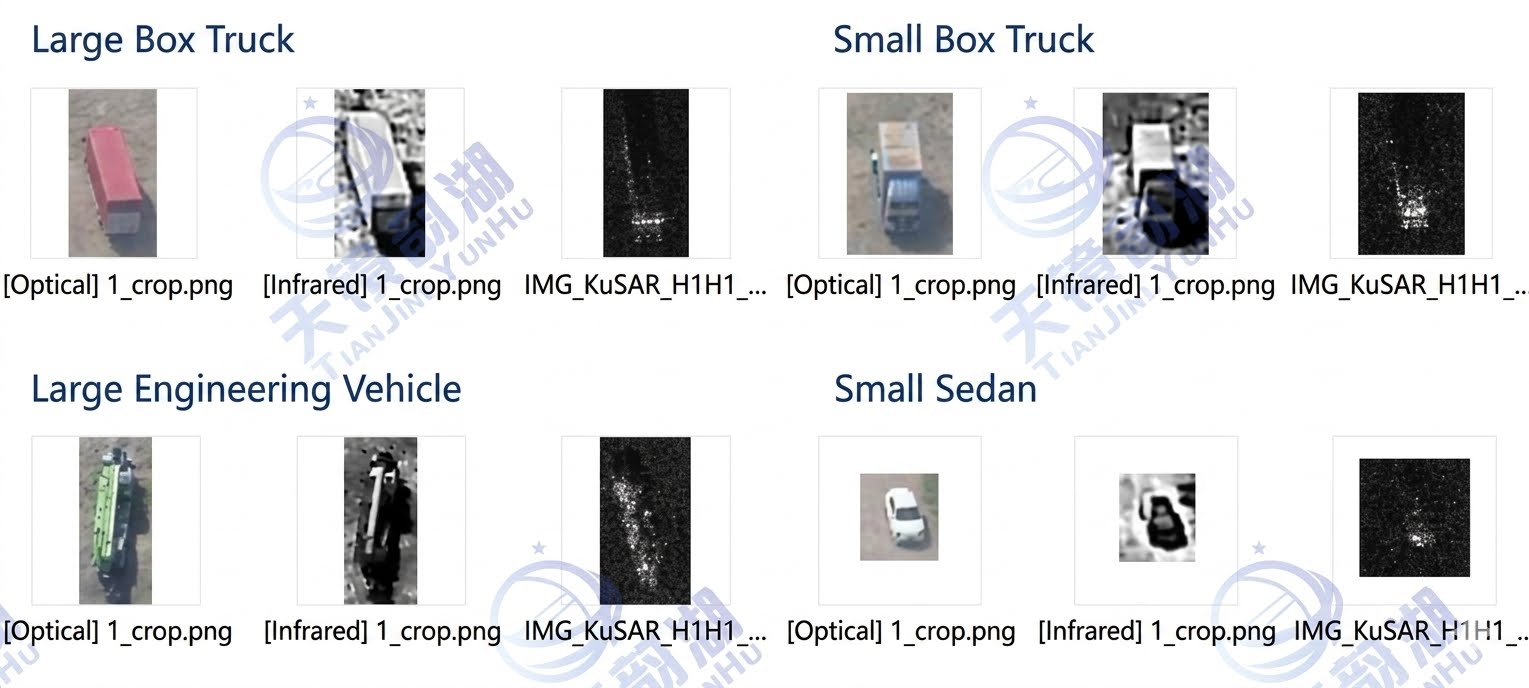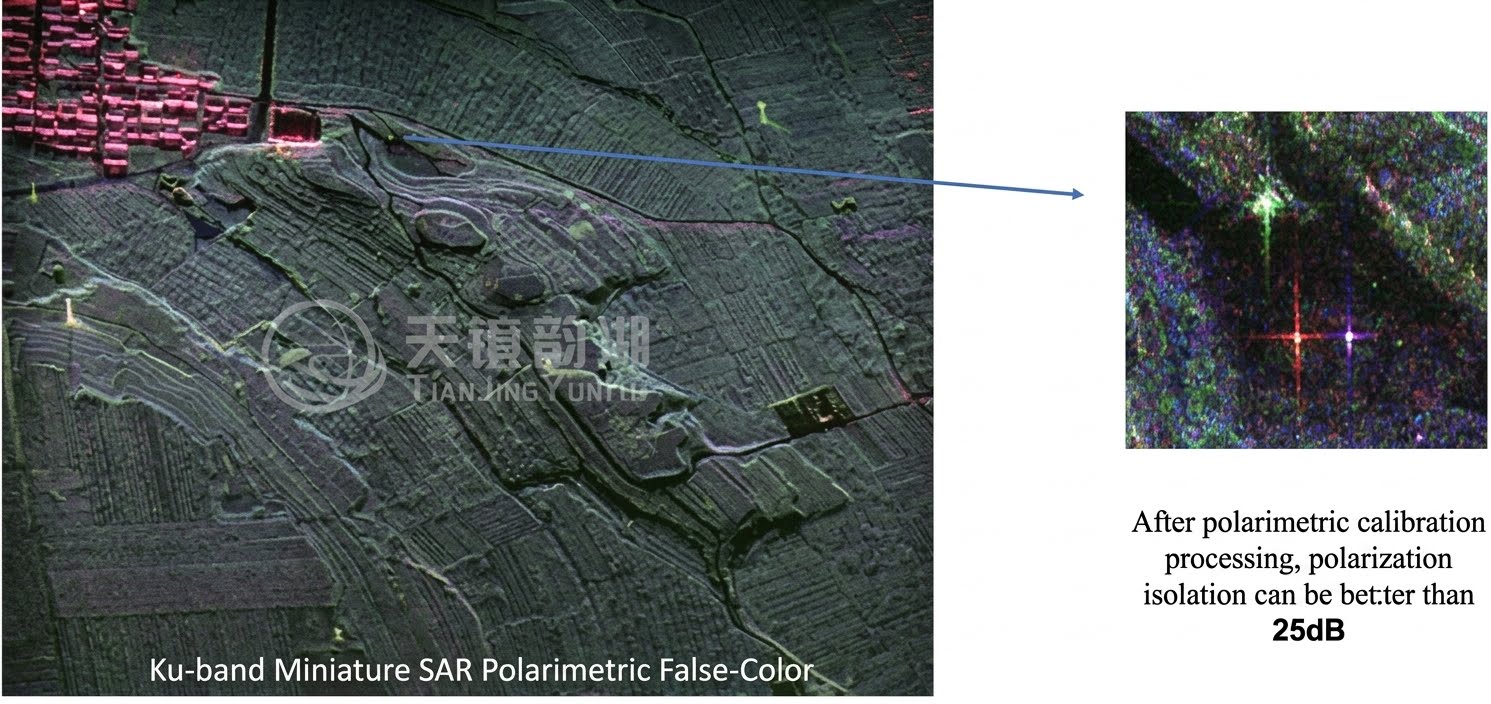

In modern air defense systems, airport operation management, and military reconnaissance, the timeliness, accuracy, and all-weather capability of aircraft target detection are crucial. Traditional optical detection technologies are limited by weather conditions (such as rain, fog, and haze) and lighting environments (such as nighttime and strong light), making continuous monitoring of aircraft targets difficult. Synthetic Aperture Radar (SAR) technology, with its all-weather, all-time, high-penetration, and long-range detection advantages, can acquire high-resolution images and scattering characteristics of aircraft targets in complex environments, becoming a core technology for aircraft target detection. Currently, as SAR technology develops towards multi-polarization, high resolution, and lightweight design, its practical applications in aircraft target detection have covered scenarios such as military airport reconnaissance, civil airport operation monitoring, and low-altitude aircraft control. Through technological optimization and algorithm innovation, it has effectively solved the problems of "difficulty in identifying, tracking, and distinguishing" aircraft targets, providing strong support for improving safety and efficiency in the aviation field.
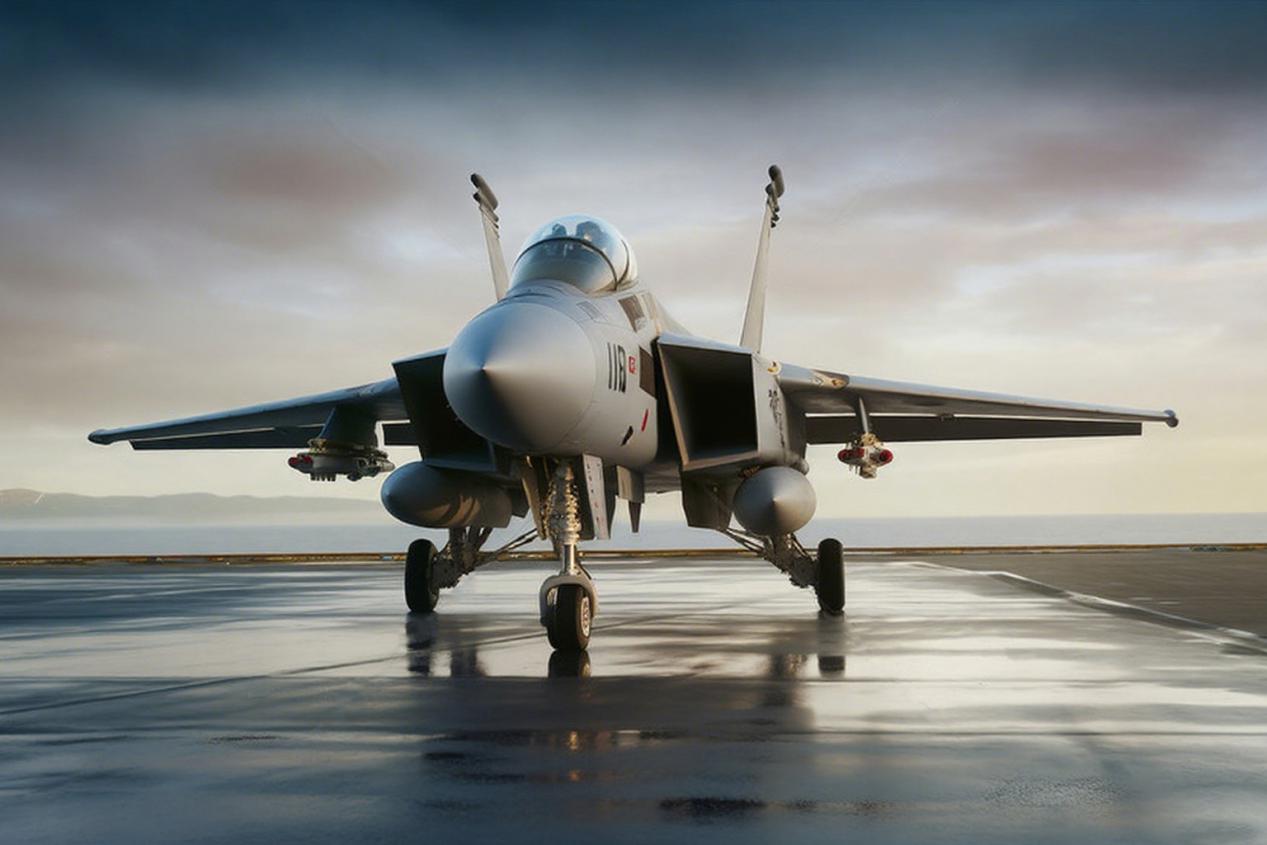
Aircraft images
I. Key Characteristics of SAR Images
SAR images possess several important characteristics that significantly impact target identification:
**Coherence: SAR imaging utilizes the coherence of radar waves, meaning there is a fixed phase relationship between the transmitted and received waves. This coherence is crucial for achieving high-resolution imaging.
**Doppler Effect: SAR imaging is typically accompanied by a Doppler shift, caused by the target's motion relative to the radar platform. The Doppler effect can be used to extract target motion information.
**Polarization Information: SAR systems can transmit and receive electromagnetic waves with different polarizations, thus acquiring the polarization characteristics of ground targets and providing more information than single-polarization images.
**Waveform Features: Each pixel in a SAR image contains waveform information of the reflected wave, which can be used to analyze the target's physical characteristics.
II. Application of SAR Technology in Aircraft Target Detection
(I) Application Principle
Since the invention of the airplane, although the structure of airplanes has been continuously improved and the types of airplanes have been increasing, most fixed-wing aircraft, except for a very few special types, have a largely similar basic structure, which can be mainly divided into five parts: nose, fuselage, wings, tail, and power plant. Because synthetic aperture radar (SAR) has excellent detection performance on metallic materials, aircraft images contain rich scattering information, as shown in Figure 1.
|
Table 1 Scattering Mechanisms of Aircraft Components |
||
|
Components |
Scattering Mechanisms |
Detailed Descriptions |
|
Nose |
Reflection / Multiple Scattering |
The nose consists of a series of structures, and the cockpit forms a dihedral angle structure with the ground. |
|
Fuselage |
Reflection / Multiple Scattering |
The fuselage contains various longitudinal and transverse components: spars, stringers, frames, and skin, etc.; the engine forms a dihedral angle structure with the wing. |
|
Tail |
Multiple Scattering / Edge Diffraction |
The tail is divided into two parts: the vertical stabilizer and the horizontal stabilizer, forming dihedral or trihedral structures. |
|
Wing |
Edge Diffraction |
The wing includes structures such as ailerons, flaps, and slats, containing rich edge information. |
|
Powerplant |
Cavity Scattering |
The engine has a typical cavity structure. |
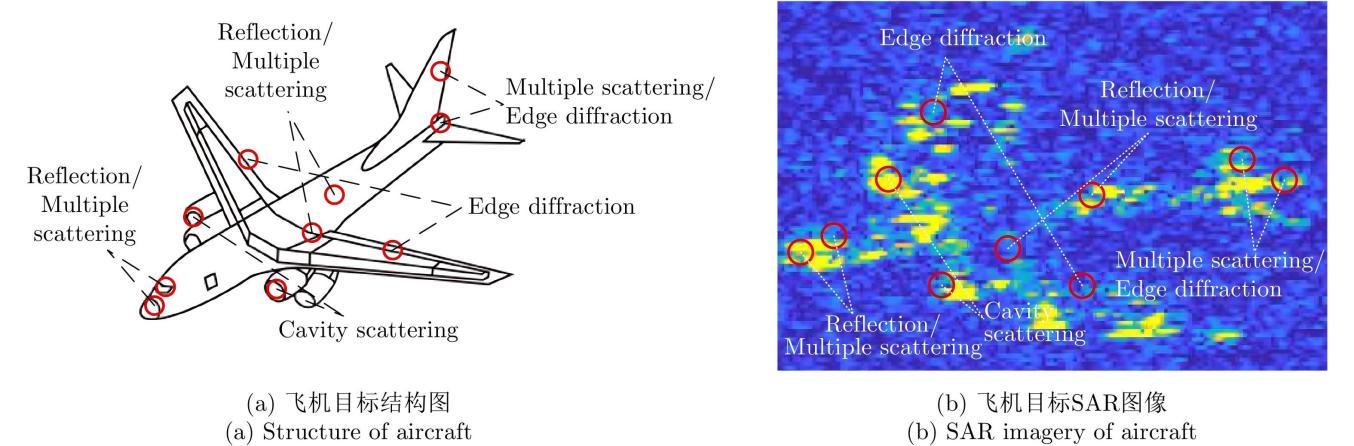
Aircraft main components and scattering mechanism
In high-resolution SAR images, since aircraft target sub-components are much larger than resolution cells, the scattering information of aircraft targets in SAR images mainly consists of the scattering information of target components. Based on the scattering mechanism of each component of the aircraft target, the scattering information used for aircraft target detection and identification in single-polarization SAR images mainly includes three categories: target geometric features, gray-level statistical features, and texture features:
(1) Target geometric features: The geometric shape of aircraft targets in SAR images is their unique characteristic, and geometric features can be used for detection and identification. For example, aircraft targets in SAR images appear as discrete strong scattering points, exhibiting obvious point target characteristics. By detecting and discriminating point targets, aircraft targets can be roughly classified, identified, and located. In addition, since there is a large difference in backscattering coefficients between aircraft targets (sub-components) and the background in SAR images, boundary points of the image will be formed at the gray-level abrupt changes. Therefore, aircraft targets in SAR images are prone to forming linear boundary targets with strong edge information.
(2) Gray-level statistical features: The change in gray level in SAR images depends on the backscattering cross-section of the target. Under the same imaging conditions, the backscattering cross-section of the target depends on the target's structure and material information. Because aircraft targets in SAR images exhibit significant structural and material differences from their surrounding background, their grayscale amplitudes and statistical characteristics also differ considerably. Aircraft targets in SAR images can be extracted by modeling background clutter and statistically modeling the target's grayscale distribution.
(3) Texture Features: Texture refers to the roughness or uniformity of a region in an image. It depends on the relative change in grayscale, not the absolute value of grayscale. The texture of an image varies with the wavelength, resolution, and incident angle of the radar system, and also with the composition of the target and the arrangement of its background features. The differences between different types of aircraft targets often lie not in grayscale magnitude, but in their texture differences. Therefore, defining and calculating the local texture features of a target is crucial for identifying false alarm targets and classifying different types of aircraft targets.
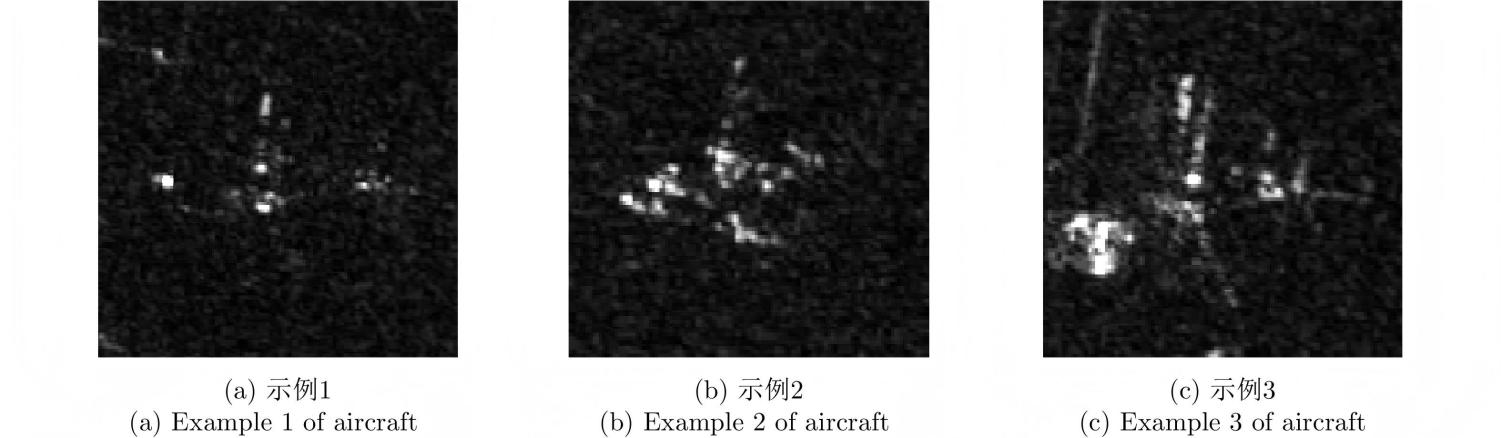
Examples of aircraft targets in SAR images
(II) Application Scenarios
Civil Aviation: SAR technology provides a new tool for airport ground management. Large airport aprons have densely packed aircraft, making it difficult to quickly and accurately count the number and location of aircraft using traditional surveillance methods. SAR imagery combined with automatic target detection algorithms enables real-time counting and monitoring of aircraft at airports, significantly improving ground operational efficiency.
National Defense and Security: SAR aircraft detection has even greater significance. The dynamic deployment of aircraft at military airfields is a crucial indicator for assessing military intentions. Regular SAR imaging and automatic change detection of enemy airfields can promptly detect aircraft movements and deployment changes, providing critical information for intelligence analysis.
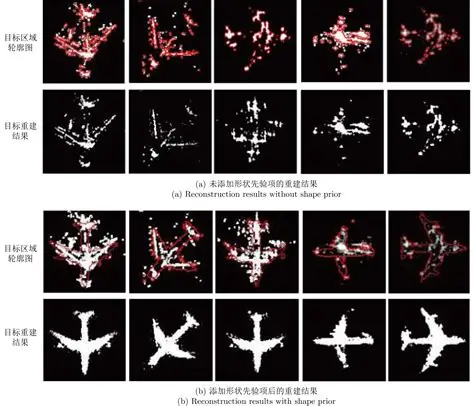
Aircraft target detection SAR image
III. Conclusion
SAR technology plays an irreplaceable and crucial role in aircraft target detection, demonstrating its powerful capabilities and unique value. To fully realize the potential of this technology, specialized SAR data processing algorithms, engineering systems, and a deep understanding of the complex overall information of aircraft are essential. Our company, as a high-tech enterprise in China specializing in the research and application of Synthetic Aperture Radar (SAR) technology, possesses profound technical expertise and rich project experience in spaceborne/airborne SAR data processing, aircraft target detection, and target characteristic recognition. We are committed to providing customers with end-to-end solutions from SAR data acquisition, processing, analysis to application.